





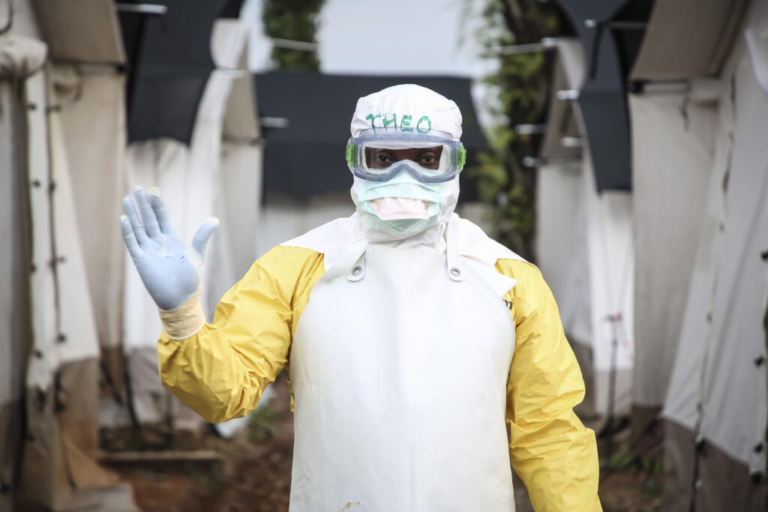
Malian health authorities convened an assessment meeting in Bamako on Tuesday, May 19, 2026, to review national prevention systems against Ebola and hantavirus.
Chaired by Dr. Abdoulaye Guindo, the Secretary-General of the Ministry of Health and Social Development, the session brought together senior technical officials, health partners, and a representative from the World Health Organization. While authorities explicitly confirmed that there are currently no active cases of either virus within Mali, the meeting was called to establish a state of heightened vigilance. This proactive stance is driven by the broader regional context and the massive population movements anticipated across West Africa ahead of Eid al-Adha, locally known as Tabaski.
With recent cases of Ebola recorded in Uganda and the Democratic Republic of the Congo, Malian health officials are prioritizing national preparedness, epidemiological surveillance, and rapid response capacities, particularly across major urban centers and border corridors. During the session, participants meticulously reviewed early warning mechanisms, border health controls, laboratory capacities, and risk communication strategies. A significant emphasis was placed on auditing and maintaining robust stockpiles of personal protective equipment, testing reagents, disinfectants, and essential treatment supplies to avoid any logistical bottlenecks in the event of a health alert.
The strategy draws heavily on lessons learned from the 2014 West African Ebola outbreak, during which Mali successfully managed imported cases from neighboring Guinea through rapid case detection, strict isolation protocols, meticulous contact tracing, and community-led safe burial practices. In the years since, Mali has structurally reinforced its response infrastructure by improving coordination between laboratories, local authorities, and international technical partners.
For hantavirus—a rodent-borne disease with febrile and respiratory symptoms that can easily mimic other common illnesses—the Ministry is focusing heavily on specialized medical staff training and community engagement to ensure early detection and prevent dangerous delays in treatment. Ultimately, health partners at the meeting underscored that maintaining Mali’s vital role as a secure regional commercial crossroads will depend heavily on securing sustainable funding for logistics, laboratory maintenance, and rapid response teams.
MD/te/Sf/lb/abj/APA