



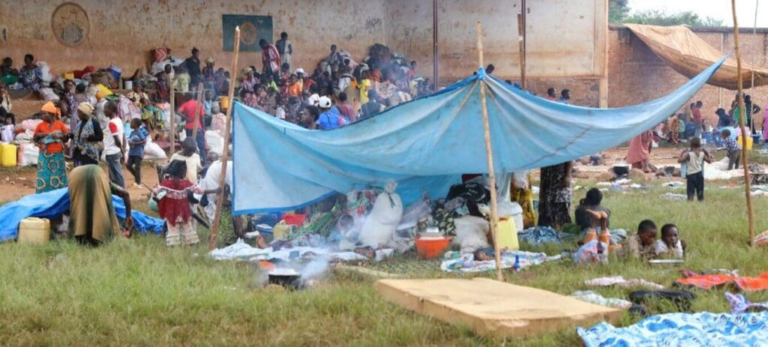
Mali’s 2026 Humanitarian Needs and Response Plan faces a critical deficit, with only $135.6 million secured of the $577.9 million required to support 5.1 million people destabilized by ongoing insecurity, displacement, and environmental crises.
According to the United Nations Office for the Coordination of Humanitarian Affairs (OCHA), relief agencies encounter a shortfall exceeding $442 million heading into the final quarter of the year. The response framework highlights widespread necessity across multiple sectors, with approximately 3.4 million individuals requiring protection services and over 1.9 million needing basic healthcare, alongside urgent demands for emergency food assistance, clean water, shelter, and education.
The financial deficit severely strains specialized interventions targeting vulnerable populations, particularly women and adolescent girls. Data from the United Nations Population Fund (UNFPA) indicates that roughly 1.12 million women of reproductive age and nearly 157,000 pregnant women are affected by the humanitarian crisis. Furthermore, reported incidents of gender-based violence surged by 58 percent in the second quarter of 2026, reaching 3,460 documented cases—over half of which occurred within domestic settings. Despite operating mobile medical teams and fielding midwives across eight regions to deliver reproductive care and family planning, UNFPA reports that 79 percent of emergency shelter needs and 87 percent of economic support requests remain unfulfilled due to a $5.2 million gap in its agency-specific budget allocation.
MD/te/Sf/lb/abj/APA