





The number of internally displaced persons (IDPs) in Mali has risen by 15% in the past year, reaching nearly 380,000, with women and girls facing a sharp increase in sexual violence amid a deepening humanitarian crisis.
A report by the United Nations Population Fund (UNFPA), shared with APA on Tuesday, paints a grim picture of the deteriorating situation for women and girls in Mali’s conflict-affected regions.
According to a survey in May 2025, the number of IDPs surged from 330,000 in May 2024 to about 380,000, a 15% increase.
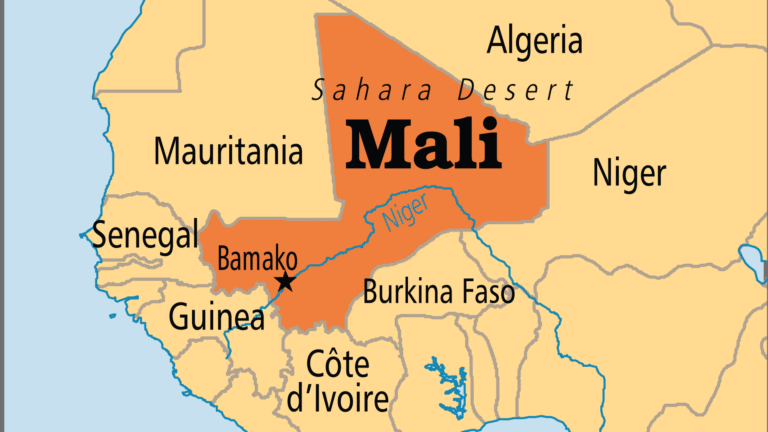
This rise has coincided with growing reports of sexual exploitation, harassment, and forced marriages in displacement camps and conflict zones, particularly in the regions of Timbuktu, Gao, Mopti, and Ménaka.
Of the 6.4 million people in need of humanitarian assistance in Mali, over half are women and girls.
“Women and girls are at the heart of these vulnerabilities and are disproportionately affected by the ongoing insecurity and humanitarian crisis,” the UNFPA stated.
May 2025 witnessed an escalation in armed violence, marked by intensified attacks from armed groups that triggered new waves of displacement.
Access to reproductive healthcare remains severely restricted. Fewer than one in four health facilities in the affected regions are capable of providing comprehensive care or support to survivors of sexual violence. Nationwide, nearly half of such specialized services remain non-operational.
The most severely impacted regions include Timbuktu (80% of services closed), Ménaka (77%), Gao (76%), and Mopti (56%).
Despite the challenges, UNFPA maintains operations supporting 86 health facilities, six safe spaces for women and girls, and seven one-stop centres in the hardest-hit areas.
In May alone, its mobile teams provided services to nearly 3,000 individuals in IDP camps—80% of them women and adolescent girls.
However, the humanitarian response remains critically underfunded. Of the $16.5 million needed for 2025, only $2.9 million has been secured, leaving a staggering $13.5 million gap.
The agency warns that without urgent additional funding, essential programmes to combat sexual violence and provide reproductive health services could collapse—putting nearly 900,000 women and girls targeted by these interventions at risk.
ARD/te/sf/lb/gik/APA