





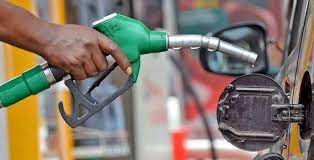
Fuel-import dependent countries across Southern and Eastern Africa are at risk of moving from short-term price shocks to rationing of fuel purchases if instability in the Middle East continues to disrupt global supply chains, an analyst has warned.
With many African economies reliant on imported petroleum products, the current disruptions to shipping routes and uncertainty in international markets are seen translating into shortages at ports and higher costs for wholesalers and retailers.
Most countries have responded to the shortages by hiking fuel prices in recent week, with Zimbabwe raising the cost of petrol and diesel twice in the past three weeks.
Analyst Donald Porusingazi said most governments are expected to step in –
directly or indirectly – by limiting fuel availability, imposing purchase quotas or prioritising distribution for essential services.
“With no end to the Middle East conflict in sight and continued disruptions to the global supply chain, we foresee most governments starting to restrict who can buy and how much,” he said.
Fuel stations in South Africa have already begun restricting diesel sales in some areas for agricultural operations.
Porusingazi said the rationing could soon spread to other parts of South Africa, especially if no sustainable fuel source is found as current stocks are expected to run out in the next two weeks.
For other countries that depend heavily on imported fuel – such as Botswana, Kenya, Mozambique, Namibia, Tanzania and Zimbabwe – the warning is that persistent volatility in oil markets could soon outpace national storage, budget support and procurement plans.
Several factors could drive fuel rationing across the continent if the conflict continues.
Higher crude oil prices and increased freight costs have pushed up the cost of imports, while exchange rate pressures have reduced the purchasing power of importers.
There is also the challenge of longer delivery lead times as suppliers prioritise other markets and shipping capacity becomes constrained.
Porusingazi warned that rationing could have a severe impact on sectors such as transport and logistics, farming and agro-processing, emergency services and utilities, and cross-border trade.
“With fuel restrictions, even limited shortages can lead to knock-on effects such as higher operating costs, delays in deliveries, and incentives for hoarding.”
JN/APA