



Moroccan revenues reached 424 billion dirhams (MAD) in 2025, representing a 14.2% increase, compared to 2024, according to the government.
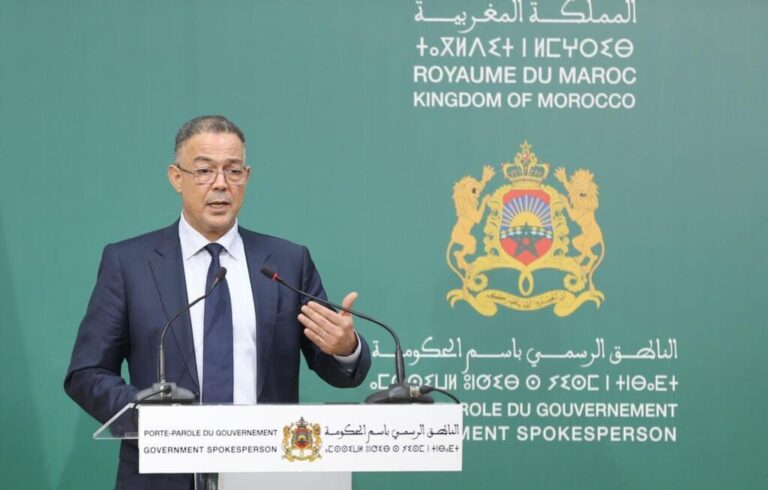
Moroccan Minister Delegate for the Budget, Fouzi Lekjaa, stated on Monday, January 26, before the House of Representatives that this growth is primarily attributable to the significant increase in tax revenues, which rose by 43.8 billion dirhams, representing a 107% achievement rate compared to the 2025 Finance Law projections.
He also reported improved revenues from corporate income tax (CIT) at 91.4 billion dirhams, value-added tax (VAT) at 97.7 billion dirhams, and personal income tax (PIT) at 65.4 billion dirhams, with a 107.4% achievement rate.
Regarding customs duties, they increased by 12.9% to 17.2 billion dirhams in 2025, the minister specified, adding that revenues from the domestic consumption tax (TIC) rose by 13.8% to 41.5 billion dirhams.
“This increase in tax revenues confirms once again the continuation of the positive momentum recorded over the past four years,” Lekjaa emphasised, noting that revenues achieved an average annual growth rate of 12.4% over the period 2021-2025.
According to the Moroccan minister, this positive performance covered the increase in personnel expenses, which rose by 15 billion dirhams (MMDH), enabling civil servants to benefit from the salary increases agreed upon through social dialogue. It also financed the project to extend social protection to all citizens, with expenditures reaching 37.7 billion dirhams in 2025, compared to 32 billion dirhams in 2024.
He added that this strong revenue performance contributed to maintaining the momentum of public investment, with allocations increasing by 7.8 billion dirhams compared to 2024, bringing total payments to 125.3 billion dirhams, representing an issuance and payment rate of 76%.
According to the minister, this improvement in revenue, combined with rigorous expenditure management, has made it possible to keep the budget deficit at 3.5% in 2025, the level projected by the finance law, while reducing the Treasury’s debt to 67.2% of gross domestic product (GDP), compared to 67.7% in 2024.
These results reflect the effectiveness of the economic and financial choices adopted in recent years, stated Mr. Lekjaa, who specified that the figures presented were established in accordance with current statistical standards, as recommended by the International Monetary Fund.
AK/fss/as/APA