





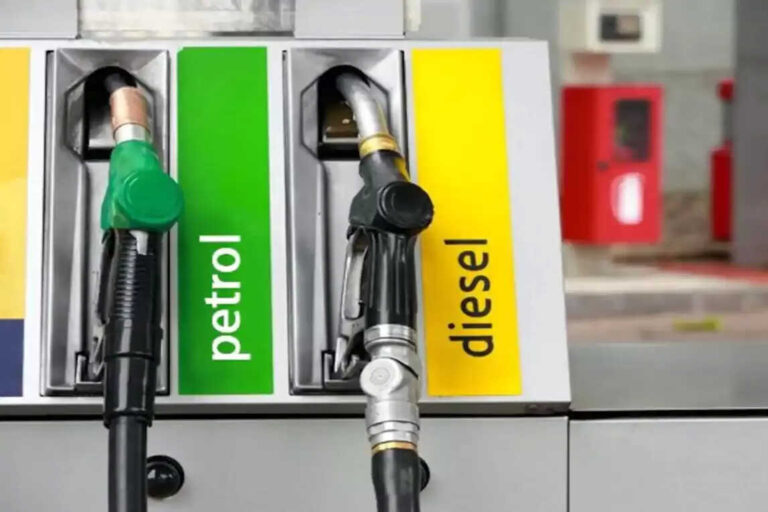
A significant increase in fuel prices went into effect across Morocco at midnight on Sunday, March 30, as pump prices for both diesel and gasoline saw a sharp upward adjustment in stations nationwide.
According to data provided by industry operators, the price of “Super” gasoline has risen by 1.54 dirhams per liter (approx. €0.14), while diesel (gasoil) recorded a steeper hike of 2.40 dirhams per liter (approx. €0.22). This latest surge is directly linked to the ongoing volatility in international energy markets, with the Moroccan domestic market remaining highly sensitive to global import costs.
The price hike follows a period of intense instability fueled by external factors. Escalating geopolitical tensions in the Middle East, strategic production adjustments by major oil-exporting nations, and persistent logistical disruptions have pushed crude oil prices toward the $100-per-barrel mark. In Morocco’s liberalised market, these international fluctuations are transmitted rapidly to the pump, as distributors adjust rates based on the rising costs of procurement and refined products.
The substantial rise in diesel prices—a critical fuel for the country’s trucking and logistics sectors—is expected to have a ripple effect throughout the national economy. With an increase exceeding two dirhams, transport companies are facing heightened operational costs. These pressures often lead to adjusted freight rates, which can directly impact the final consumer price of essential goods and food products.
For urban households, the 1.54-dirham increase in gasoline further tightens daily budgets. In cities where mobility depends heavily on private vehicles, the higher cost at the pump is an immediate burden on disposable income.
Structurally, Morocco’s reliance on imported refined products leaves the nation exposed not only to the price of crude but also to the fluctuating costs of maritime transport and insurance. While fiscal measures and distribution margins play a role in final pricing, the primary driver remains a global market that shows few signs of stabilizing in the near term.
MK/AK/Sf/lb/as/APA