





Morocco has significantly boosted its standing in the global mining industry, securing the 18th spot worldwide out of 82 jurisdictions in terms of investment attractiveness, according to the Fraser Institute’s 2024 ranking.
This impressive nine-place jump from its 27th position in 2023 highlights the Kingdom’s growing potential and its increasing appeal to investors, particularly those focused on the energy transition.
The latest report from the Fraser Institute, a leading Canadian think tank specializing in the mining industry, places Morocco ahead of nations such as Norway, Argentina, and Zambia. The ranking is determined by two key criteria: mineral potential and the perception of government policies.
Strategic resources and favorable policies drive attractiveness
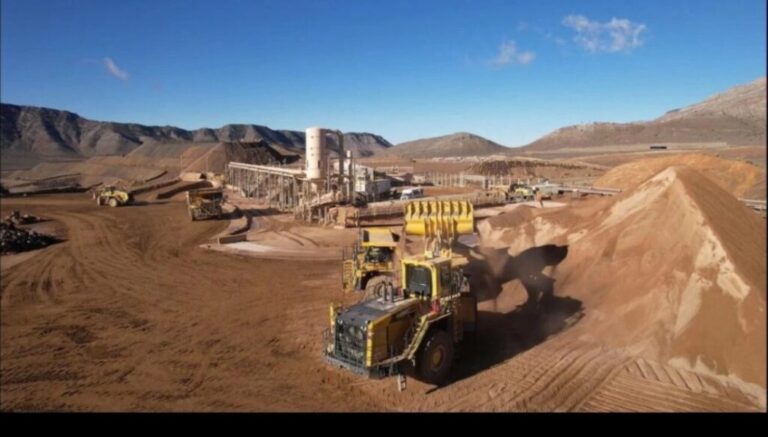
Morocco stands out for its abundant strategic resources, which are crucial for industrial value chains and low-carbon technologies. These include phosphates, cobalt, lead, zinc, and copper. The Khouribga mine, operated by the OCP Group, remains one of the world’s largest phosphate reserves. A notable innovation is the 200-kilometer pipeline linking Jorf Lasfar to the inland mining site, supplying it with desalinated water—a first of its kind on the continent.
The country also benefits from a legal framework that is perceived as relatively stable and welcoming to foreign investment. The Fraser Institute’s survey of mining executives praised Morocco’s regulatory openness and its ongoing efforts to modernize mining governance. Within Africa, Morocco is a standout, with only Botswana (ranked 20th globally) joining it in the top tier. Traditional mining powerhouses like Ghana (46th), the Democratic Republic of Congo (58th), and South Africa (68th) lag significantly behind. Morocco also showed one of the most notable improvements in policy perception, jumping from 80th to 28th place globally in this category.
Persistent challenges and future outlook
Despite these advancements, challenges remain. Mining companies still point to persistent hurdles such as bureaucratic red tape, delays in permit approvals, and insufficient infrastructure in key mining regions like Midelt and Tafilalet. These structural weaknesses continue to impede the development of new projects, especially in high-potential but underserved areas.
By breaking into the global top 20, Morocco sends a strong signal to international markets. While jurisdictions like the United States (Nevada, Alaska) and Finland continue to lead due to their rich geology and advanced regulatory environments, Morocco’s ascent reflects a strategic repositioning in the global mining landscape.
To sustain this momentum, the Kingdom will need to further enhance the appeal of its mining territories through targeted investments in infrastructure, training, and public administration. This also entails accelerating reforms to the mining code, digitizing administrative procedures, and offering greater support to small and medium-sized enterprises involved in exploration and local processing. Addressing these challenges will be crucial for Morocco to fully capitalize on its mineral wealth and maintain its upward trajectory.
MK/ac/lb/abj/APA