





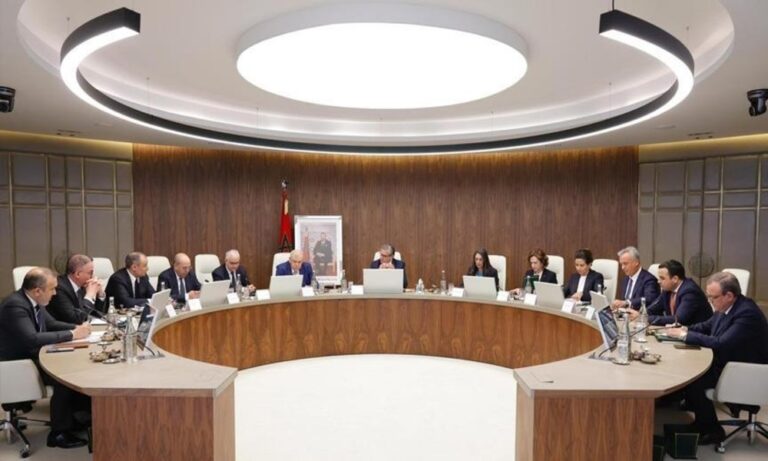
On Monday, March 30, 2026, Prime Minister Aziz Akhannouch chaired the first meeting of a ministerial commission in Rabat tasked with monitoring the economic impact of intensifying geopolitical tensions in the Middle East.
Global fuel prices have risen sharply following recent military escalations involving Israel, the United States, and Iran, significantly affecting Morocco due to its 94% dependence on energy imports. During the session, various government departments presented reports on the potential risks to the national economy and proposed mechanisms to protect the purchasing power of citizens amidst persistent international uncertainty.
The commission decided to maintain current subsidies for butane gas, despite international market prices surging by more than 68% since early March. By absorbing these costs, the government ensures that the retail price of gas cylinders remains unchanged for households. Additionally, the state will continue to support electricity tariffs to prevent rate hikes for consumers. These measures are part of a broader effort to stabilize the domestic market and mitigate the inflationary pressure caused by the volatile global energy landscape.
To address the rising costs of petroleum products, the Moroccan government is launching a direct and exceptional support program for professionals in the freight and passenger transport sectors. This aid, covering the period from March 15 to April 15, will be distributed after processing over 87,000 applications received through a dedicated electronic platform. This operation mirrors the government’s 2022 intervention and covers various categories, including public and rural transport, freight services, school and tourist transport, taxis, and urban buses.
The primary objective of this financial assistance—which ranges from 1,600 to 6,200 dirhams depending on the vehicle type—is to guarantee the continuity of public transport services and ensure a regular supply of goods to markets without increasing fares for citizens. The meeting saw participation from several cabinet members and officials from strategic institutions, such as the National Office of Electricity and Drinking Water (ONEE), who will continue to meet periodically to adapt Morocco’s economic response to the evolving international situation.
AK/Sf/fss/abj/APA