





A major economic transition is taking shape in Mozambique, where the government is leveraging a massive $50 billion pipeline of liquefied natural gas investments to redefine its standing in the global energy market.
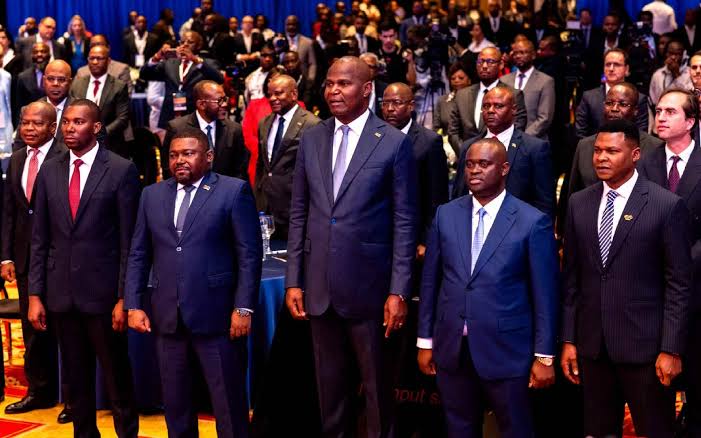
Addressing business leaders at the Mozambique CEO Summit in Maputo, President Daniel Chapo outlined a vision to transform the nation’s strategic geographic position and rich natural assets—headlined by more than 100 trillion cubic feet of gas in the Rovuma Basin—into a vibrant, diversified industrial ecosystem. The President made it clear that while large-scale production will secure Mozambique’s status as a regional energy anchor, the ultimate test of these mega-projects lies in their ability to spur local enterprise, create high-skilled employment, and fuel broader economic resilience.
The country’s ambitious energy blueprint is anchored by several heavyweights, including Eni’s pioneering Coral South FLNG facility and its upcoming Coral North counterpart, TotalEnergies’ Mozambique LNG venture, and ExxonMobil’s planned Rovuma LNG development. Together, these installations represent a collective production capacity surpassing 40 million tons annually. However, President Chapo stressed that extraction alone is insufficient. He urged project operators to actively invest in workforce upskilling and integrate domestic suppliers into their global supply chains, ensuring that the wealth generated from national resources meaningfully filters down to local contractors and smaller commercial enterprises.
Central to this economic strategy is Mozambique’s updated Local Content Law, which the administration views as a strategic engine for corporate capacity building rather than a mere regulatory hurdle. To support this framework, the government is accelerating structural reforms aimed at cutting administrative delays, streamlining regulations, and fostering a dynamic environment for private investment. Beyond traditional heavy industry, the administration is also eyeing the digital horizon, noting that a reliable, low-cost domestic power grid could soon attract high-tech investments such as data centers and artificial intelligence infrastructure.
The push to convert raw energy potential into sustainable, broad-based prosperity has drawn strong backing from regional industry advocates, including the African Energy Chamber. Organizational leadership praised the government’s commitment to eliminating bureaucratic bottlenecks and aligning public policy with private sector execution. As Mozambique steps into this transformative era, the focus remains firmly on empowering the domestic business community to ensure the gas boom delivers lasting economic dividends for generations to come.
ABJ/APA