





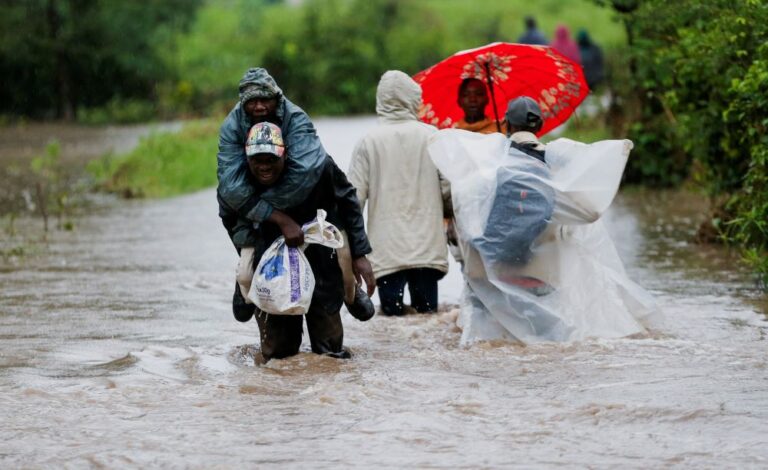
A new wave of flooding has killed at least 18 people in Mozambique and affected more than 120 families in recent days as heavy rains continue to swell rivers across several provinces, officials said late Monday.
National Institute for Disaster Risk Management and Reduction (INGD) head Luísa Meque said all the latest deaths were caused by drowning, including one case in Inhambane province where a victim ignored safety instructions and attempted to travel by boat while intoxicated.
Authorities say the latest flooding has displaced families in Inhambane, Sofala, Niassa and Tete provinces, with 31 accommodation centres now housing about 10,000 people.
In Chifunde district in Tete, rising waters from the Luia river swept two people to their deaths and left three missing, while 236 houses were destroyed and two schools damaged.
In Sofala, rising levels of the Zambezi River threaten to cut the road linking Caia and Chemba where around 500 people have already been moved to higher ground.
The scale of destruction continues to grow. Since October, more than 21,000 houses have been partially destroyed, 10,000 completely destroyed and over 200,000 flooded.
Hundreds of schools, health facilities and places of worship have been damaged, and more than 267,000 hectares of farmland lost, affecting over 350,000 farmers.
More than 8,400 kilometres of roads and 50 bridges have also been impacted.
The new fatalities come on top of widespread destruction recorded since the rainy season began in October, with INGD data showing 296 deaths and more than one million people affected nationwide.
Earlier this year, January floods killed around 50 people and affected more than 700,000, while the passage of Cyclone Gezani in February caused additional deaths and damage in Inhambane.
Mozambique is among the most flood‑prone countries in southern Africa, with its long coastline, major river basins and frequent cyclones making it highly vulnerable to seasonal storms.
Severe flooding is common between December and April, often intensified by upstream rainfall in neighbouring countries.
JN/APA