





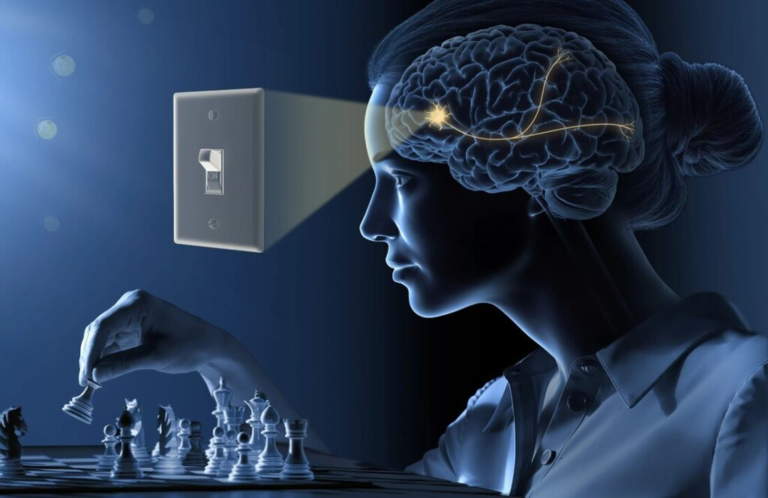
American scientist Karl Deisseroth and German researchers Peter Hegemann and Georg Nagel were jointly awarded the 2026 Nobel Prize in Physiology or Medicine on Monday for their ground-breaking discoveries concerning photosensitive ion channels and the development of optogenetics.
Announced by the Nobel Assembly at the Karolinska Institute, the laureates’ work revolutionized neuroscience by enabling researchers to control individual nerve cell activity and map complex brain circuits using targeted light impulses.
The foundational breakthrough originated from Peter Hegemann’s investigation into the single-celled alga Chlamydomonas, which led to his collaboration with Georg Nagel in identifying channelrhodopsin—a light-sensitive protein that opens cellular channels to trigger electrical signals upon exposure to blue light. Karl Deisseroth advanced these findings by successfully inserting the channelrhodopsin gene into mammalian nerve cells, demonstrating in 2007 that light could control neural activity within living brains. By establishing optogenetics as a standard laboratory methodology worldwide, the three scientists laid the framework for a new era in neuroscience, unlocking unprecedented capabilities to study memory, behavior, and neurological conditions at the cellular level.