





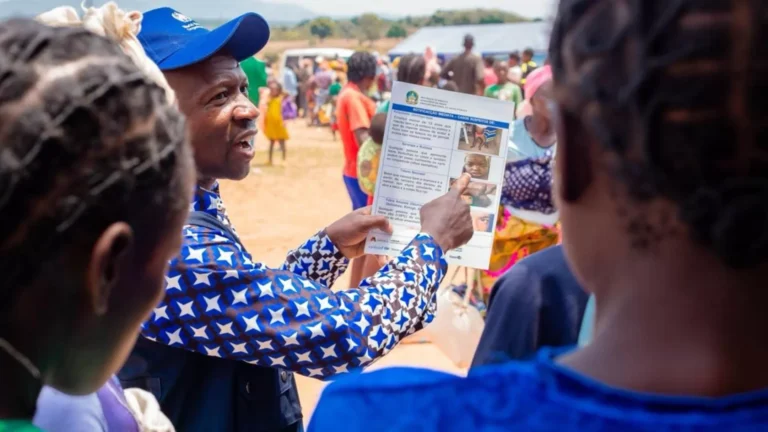
The Angolan government has intensified its national risk communication strategy by hosting media professionals at the Public Health Emergency Operations Center (COESP) in Luanda to strengthen public access to reliable information surrounding the ongoing Mpox outbreak.
Against the backdrop of 796 confirmed cases and two recorded fatalities across the country since 2024, the initiative brought journalists from diverse media organizations directly into the operational heart of Angola’s epidemiological response. By examining the center’s data collation and surveillance mechanisms, journalists observed how raw epidemiological intelligence is processed to guide high-level decision-making and rapid resource allocation across affected regions.
Emphasizing the strategic necessity of transparent media engagement, World Health Organization (WHO) Representative in Angola Dr. Indrajit Hazarika underscored that swift emergency resolution relies on turning real-time data into decisive public health action. Dr. Hazarika noted that intelligence analyzed at the COESP dictates frontline measures ranging from contact tracing and targeted vaccination to clinical treatment and community-level preventative advisories. Echoing these sentiments, Secretary of State for Health Dr. Carlos Pinto de Sousa called on media outlets to maintain evidence-based reporting, highlighting that clear public communication acts as a frontline defense against public alarm and misinformation. Supported by the WHO, health authorities continue to prioritize early case detection, contact tracing, and media collaboration as critical pillars to curb viral transmission both within Angola and across regional borders.
ABJ/APA