



Confronted with a sharp reduction in domestic gas reserves, Tunisia is turning its focus toward a new offshore drilling initiative in the Maamoura concession to unlock unexploited geological formations and counter the ongoing downward trajectory of its national hydrocarbon output.
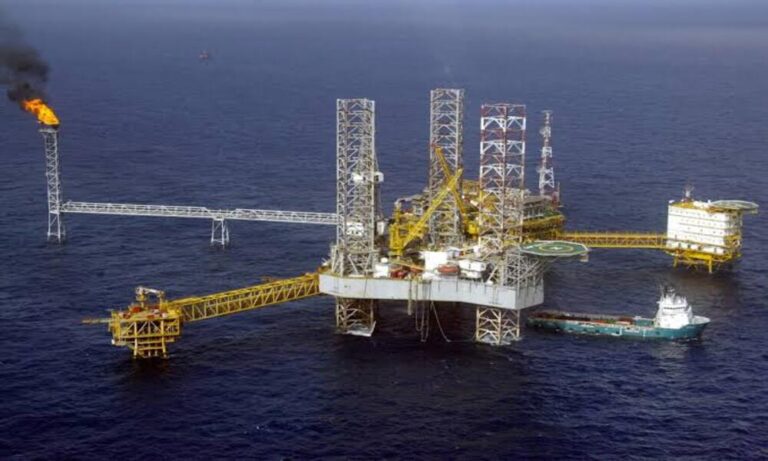
On November 6, 2026, Ocean Oilfield announced it secured an agreement with Tende Energy to deploy the ‘Ocean MVM’ jack-up rig for an offshore drilling campaign off the Tunisian coast, specifically designed to investigate fresh production horizons within the concession.
The technical blueprint centers on drilling a lateral well extending directly from the existing Maamoura E2 well. This method enables operators to utilize current infrastructure effectively, eliminating the capital expenditure required to build a new production platform. According to insights from the Washington-based energy portal Attaqa, upcoming operations will focus on the Abiod reservoir—a fractured carbonate formation holding substantial, yet underexploited, oil and gas potential with the ultimate goal of converting these geological assets into commercial production.
This strategic push arrives amid significant headwinds for Tunisia’s energy sector. Data released in the 2025 energy report by the National Observatory of Energy and Mines revealed that combined gas production across the Maamoura and Baraka concessions dropped precipitously to 8,000 tonnes of oil equivalent in 2025, compared to 19,000 tonnes the previous year. This staggering 56% contraction highlights the accelerating natural depletion of older fields. In volumetric terms, output across the two concessions fell from 138,700 to 58,400 barrels of oil equivalent over a single twelve-month period.
Figures from the Tunisian National Oil Company (ETAP) reinforce this downward trend, noting that Maamoura wells have experienced steady declines since November 2023, compounded by past drilling attempts on the MMR E2 and MMR 2DIR wells that failed to deliver anticipated yields. These performance shortfalls have steadily reduced operational flexibility, compelling energy firms to test new structural configurations rather than depending solely on existing facility optimizations.
More broadly, this offshore exploration campaign addresses a critical macroeconomic vulnerability for Tunisia, which continues to grapple with a wide structural deficit between domestic production and national energy consumption. This reliance on foreign energy imports places persistent pressure on the nation’s financial stability. Against this backdrop, revitalizing offshore drilling represents a crucial lever for stimulating local supply and easing the country’s national import bill.
MK/AK/Sf/fss/abj/APA