



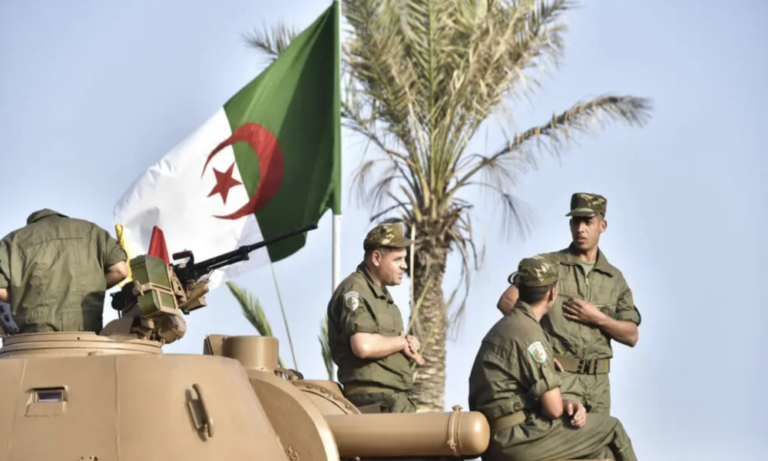
Diplomatic friction between Niamey and Brussels escalated on Monday, November 9, 2026, when Nigerien Prime Minister Ali Mahamane Lamine Zeine summoned the European Union Chargé d’affaires following critical remarks from the European Commission regarding the deployment of Algerian military personnel on Nigerien soil.
The ruling transitional authorities strongly condemned the EU’s statements as condescending and unacceptable, framing the diplomatic inquiry as an infringement upon Niger’s sovereign right to determine its own security partnerships.
The diplomatic standoff was triggered by a recent European spokesperson’s statement issued in response to Algiers’ October 26 announcement that it was dispatching military units to its southern neighbor—marking the first time Algeria has deployed troops abroad since 1973 following parliamentary approval. At the time, Brussels had formally requested transparency concerning the legal basis, operational scope, and objectives of the mission, while urging restraint to prevent any regional escalation.
For Niamey, however, the EU’s demands are incompatible with the fundamental principles of national sovereignty championed by the transitional administration. Officials maintained that Niger requires no external validation from Brussels to exercise its governing prerogatives, instead demanding accountability from European entities regarding what they characterized as repeated, disparaging interference. This latest diplomatic flashpoint unfolds against a broader restructuring of Niger’s foreign policy and security alliances, highlighted by its deepening strategic alignment with Algeria and fellow members of the Alliance of Sahel States.
Public resentment has similarly intensified outside official institutional channels. Civil society representatives in northern Niger have sharply criticized what they view as a glaring double standard in European foreign policy. Rhamar Ilatoufegh, speaking for a civil society coordination network in Arlit, pointedly contrasted Brussels’ current insistence on transparency with its historical silence surrounding the socio-environmental impacts of French uranium mining operations in the country, as well as the unannounced relocation of French troops from Mali into Niger during previous military deployments.
MK/AK/fss/abj/APA