





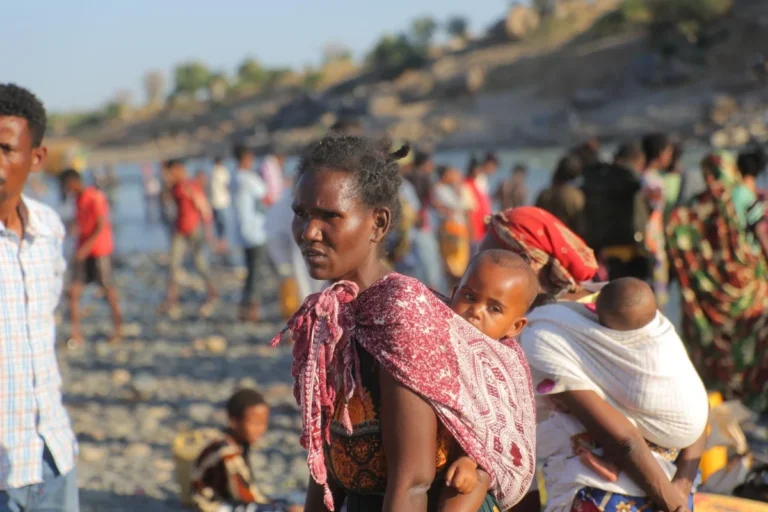
Ethiopia’s Refugees and Returnees Service (RRS), UNHCR and the World Food Program (WFP) have warned that the refugee response in Ethiopia is on the verge of collapse.
In a joint report issued Friday, the humanitarian organisations said without an immediate injection of funds, essential life-saving services—including food, water, and healthcare—for over 1.1 million refugees will cease within weeks.
The organisations said Ethiopia, the second-largest refugee-hosting country in Africa, has seen a surge in arrivals due to conflicts in Sudan and South Sudan, as well as drought in Somalia.
“The severe funding shortfalls in Ethiopia have already forced aid agencies to cut emergency relief supplies by 70 percent in 2025,” they said in a statement.
The impact of the shortfall is already devastating. In October, WFP was forced to cut food rations for 780,000 refugees to just 40 percent of the standard entitlement—providing less than 1,000 calories per day. Only 70,000 newly arrived refugees currently receive full rations.
“Our resources are stretched to the limit, and the pressure on host communities is becoming unbearable. At this critical time, immediate international support to share this burden and avoid humanitarian catastrophe is a must,” Teyiba Hassen, Director General of RRS was quoted as saying.
Aissatou M. Ndiaye, UNHCR Country Representative said the situation the organizations face is unprecedented and deeply alarming. “We have reached a critical moment where the choice we make now will determine whether Ethiopia’s refugee response collapses or becomes a model for resilience, inclusion, and long-term solutions.”
The statement said the cuts in aid have already triggered a sharp rise in malnutrition, which now exceeds 15 percent in refugee camps. Tragically, mortality rates among newborns and children under one year rose to 4.7 percent in 2025, and admissions for malnutrition have more than doubled compared to last year.
“As food runs out, families are being pushed into survival mechanisms. We are urgently calling for US$90 million to sustain operations for the next six months,” said Zlatan Milišić, WFP Representative and Country Director.
MG/as/APA