





South Africa’s Minister in the Presidency, Khumbudzo Ntshavheni, has joined a growing chorus of voices questioning why, after years of peace deals and regional summits, lasting peace remains out of reach in eastern Democratic Republic of Congo (DRC).
Speaking at the Ad Hoc Summit of the Regional Oversight Mechanism of the Peace, Security and Cooperation (PSC) Framework, Ntshavheni urged conflicting parties to honour their pledges and demonstrate political will.
She warned that failure to act decisively could plunge the region into deeper chaos.
“Peace will endure when the people of the DRC unite to build one Congolese nation and redirect their collective efforts towards economic development,” she said, calling for an effective ceasefire and inclusive dialogue.
Despite numerous agreements – including the recent US‑brokered deal – violence persists.
Armed groups such as the M23 and the Democratic Forces for the Liberation of Rwanda continue to undermine peace efforts.
Ntshavheni said the M23’s territorial expansion, including the seizure of Uvira and establishment of parallel administrations, has worsened human rights violations and triggered humanitarian crises.
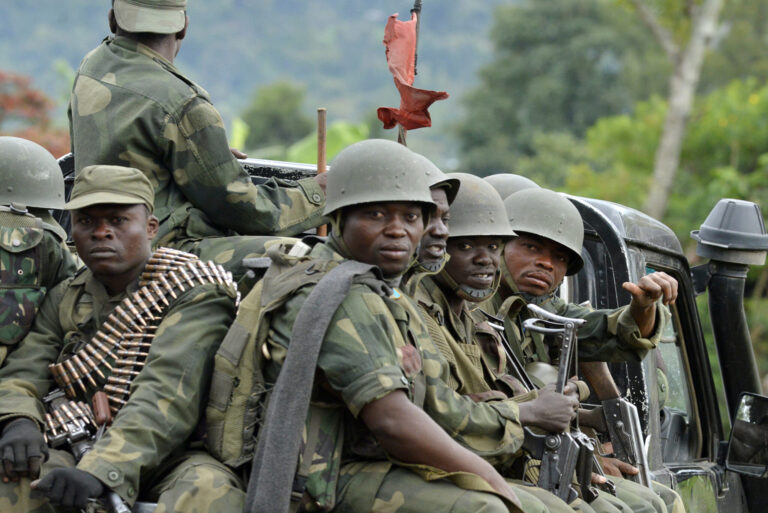
Eastern DRC has long been plagued by instability, with dozens of armed groups exploiting ethnic tensions, weak governance, and vast mineral wealth.
The PSC Framework, signed in 2013, was intended to end cycles of conflict but implementation has faltered.
Regional interventions, including military offensives and mediation efforts, have failed to deliver lasting stability.
Ntshavheni stressed that the lack of accountability and follow‑through on agreements remains the central obstacle.
“If we are serious about achieving lasting peace, for a start, we must ensure that all parties must fulfil their commitments made as signatories to the Peace, Security and Cooperation Framework,” she said.
Her remarks highlight mounting frustration across the region as violence continues to displace millions, strain humanitarian agencies and undermine prospects for economic development in one of Africa’s most resource‑rich yet unstable regions.
JN/APA