





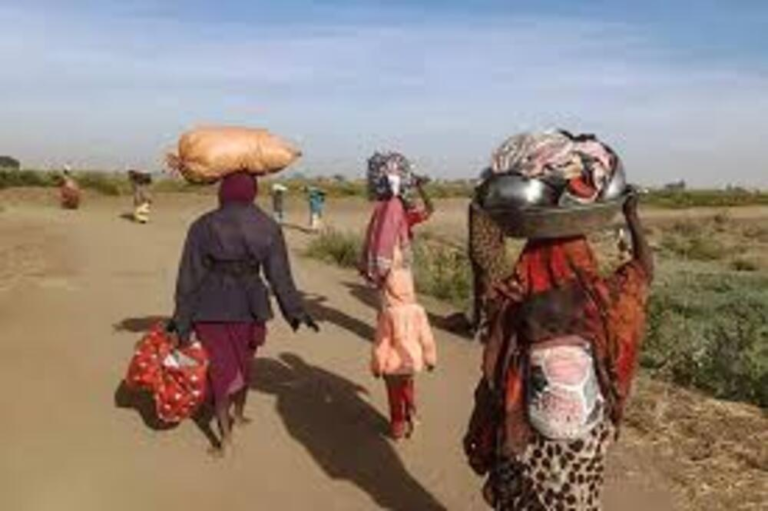
The worsening security situation in Jonglei State in eastern South Sudan—marked by escalating clashes and intercommunal violence—is driving a massive displacement of civilians, prompting the United Nations High Commissioner for Refugees (UNHCR) to warn of a rapidly deteriorating humanitarian crisis.
According to the agency, hundreds of thousands of people have been forced to flee their homes in Jonglei in recent months. Akobo County, the epicenter of the violence, has been particularly affected, with around 140,000 people displaced. In total, more than 300,000 residents have been uprooted across Jonglei and neighboring areas since December.
Amid this ongoing insecurity, approximately 100,000 people have sought refuge across the border in neighboring Ethiopia. However, UNHCR notes that the displacement pattern remains highly unstable, characterized by frequent back-and-forth movements between conflict zones and places of refuge. During a UN press briefing in Geneva, UNHCR Representative in South Sudan Matthew Brook highlighted the human toll of the crisis, noting that children have been deeply traumatized after witnessing the conflict, while many others have been separated from their families. Furthermore, the agency has reported widespread, serious conflict-related sexual violence, primarily affecting women and girls in the worst-hit areas.
Despite the persistent risks, several thousand displaced people have returned to their places of origin in recent weeks, though this choice is often driven by a total lack of alternatives. These returns are taking place under extremely grueling conditions, as many families find their homes completely destroyed or looted. Consequently, they are forced to live in unfinished buildings or makeshift shelters made of plastic sheeting. Compounding their hardship, access to essential services remains extremely limited, while basic infrastructure has been severely damaged or is entirely absent across several rural areas.
Delivery of aid is also severely compromised, as humanitarian organizations face major access constraints due to insecurity and movement restrictions, which complicate reaching the most vulnerable populations. Many families, after experiencing repeated displacement between South Sudan and Ethiopia, have completely exhausted their resources, making a return to Akobo a reflection of desperation rather than improved stability. This local emergency feeds into a worsening regional crisis, as South Sudan has faced a prolonged displacement crisis since its independence in 2011. Around 2.4 million South Sudanese refugees are still hosted in neighboring countries, while nearly 2 million people remain internally displaced.
The overall situation is further compounded by the ongoing war in neighboring Sudan, which has pushed more than 1.3 million people across the border since April 2023. This massive influx is stretching an already underfunded response to its limits. UNHCR revealed that of its $286 million funding appeal for the crisis, only 25 percent has been met so far. Without urgent international support, the agency warns that thousands of families risk facing the impending rainy season without adequate shelter, clean water, or access to essential basic services.
TE/Sf/lb/abj/APA