





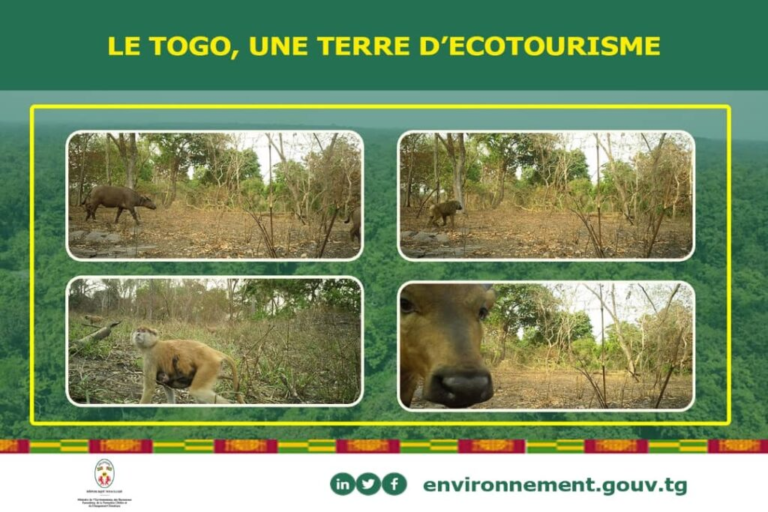
Togo is actively positioning ecosystem preservation as a central driver of its economic and social development, leveraging ecotourism to safeguard protected areas while improving living standards for rural communities.
Backed by a strengthened environmental regulatory framework, the government is placing heightened focus on managing natural resources, coastal ecosystems, national parks, and wildlife reserves. Major ecological zones designated for sustainable development include Fazao-Malfakassa National Park, the Abdoulaye Wildlife Reserve, Djamdè Park, the Togodo complex, coastal mangroves, and the Missahoé Classified Forest. By developing these natural sites responsibly, Togo aims to attract international visitors seeking biodiversity-focused travel experiences without compromising delicate habitats.
Beyond environmental conservation, the ecotourism strategy serves as an economic engine designed to generate sustainable livelihoods and local employment. The initiative opens up opportunities for youth in tour guiding, eco-hospitality, catering, traditional handicrafts, and digital tourism services. To ensure local buy-in, the government’s approach directs a portion of ecotourism revenues back into community development, funding essential public infrastructure such as schools and healthcare facilities. By transforming neighboring populations into active partners in conservation, alongside community awareness campaigns on habitat protection and waste management, Togo seeks to harmonize biodiversity protection, local well-being, and green economic growth.
TE/lb/abj/APA