





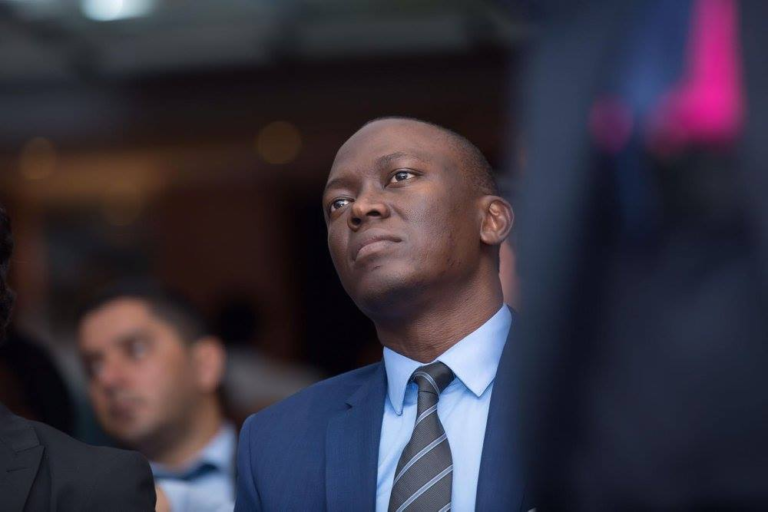
The appeal trial of prominent opposition figure Dr. Succès Masra opened on Wednesday morning amidst an intense security presence at the Supreme Court in N’Djamena.
Heavy deployments of the nomadic guard, the national gendarmerie, and anti-riot police tightly secured both the interior and exterior perimeters of the courthouse. Access to the courtroom itself was strictly regulated, with journalists and human rights organizations entirely barred from observing the proceedings. The closed-door session was restricted solely to the panel of judges, defense attorneys, state representatives, and prosecution lawyers.
A defining element of the inaugural hearing was the conspicuous absence of Dr. Masra himself. Neither his immediate entourage nor his legal team offered an official explanation for his absence, fueling widespread speculation among public observers and his political base. The high-stakes legal battle follows a major ruling in August 2025, where the former Prime Minister and leader of the Les Transformateurs party was sentenced to 20 years in prison. The conviction tied him to the Mandakao killings case on charges of murder, complicity, criminal association, and the dissemination of hate speech via electronic platforms.
Since the verdict, Masra has been held at the headquarters of the Criminal Investigation Police Coordination unit. His political party and multiple international rights groups have vehemently condemned the charges, branding the proceedings a politically motivated sham and demanding his unconditional release. Concurrently, his legal representatives have made multiple pleas for his medical evacuation to address severe respiratory conditions, though state authorities have consistently rejected these requests. Despite his confinement, Dr. Masra recently managed to release a public letter marking the eighth anniversary of Les Transformateurs, wherein he reiterated his willingness to cooperate with state authorities for the national interest while lamenting that his stance of openness had ultimately cost him his freedom. The final judicial fate of the opposition leader now rests entirely with the Supreme Court as the closed hearings continue.
CA/te/lb/abj/APA