





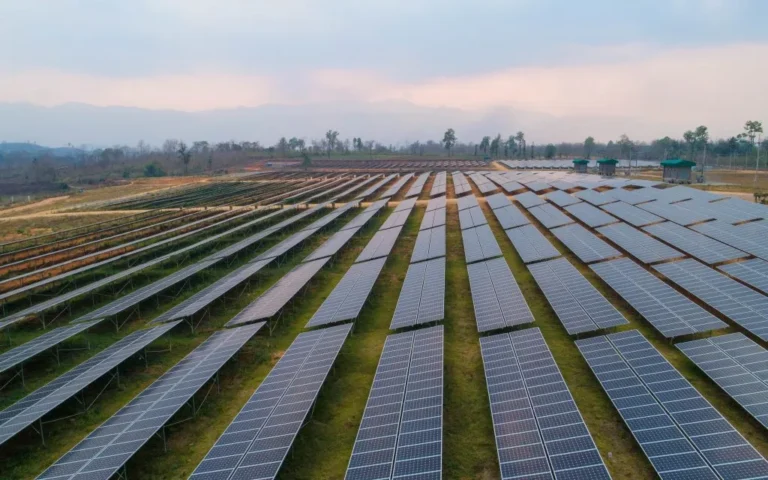
Zambia has taken another major step toward diversifying its power supply with the launch of the 250‑megawatt Leopards Hill Solar Project and a 150‑megawatt battery energy storage system at Kyindu Farms in Chongwe district.
President Hakainde Hichilema described the development as a milestone in the country’s shift toward a more resilient and climate‑responsive energy mix.
The Leopards Hill Solar Project is one of the largest private‑sector‑driven renewable energy investments in Zambia to date.
Developed under the government’s ongoing energy‑sector reforms, the project is designed to ease pressure on the national grid, which has long depended on hydroelectric power and remains vulnerable to drought‑related disruptions.
The accompanying battery storage system at Kyindu Farms will allow the grid to store excess solar power and release it during peak demand, improving stability and reducing load‑shedding risks.
Hichilema said the project reflects growing investor confidence in Zambia’s energy reforms, which aim to open the sector to private capital while strengthening public‑private partnerships.
He said the investment adds long‑term value to the national balance sheet and supports the government’s broader agenda of inclusive economic growth.
“Upon completion, this project will significantly diversify our energy mix, reducing reliance on hydroelectric power and expanding generation from solar sources,” he said, urging residents of Chongwe to safeguard the infrastructure as a shared national asset.
The launch comes as Zambia accelerates efforts to expand renewable energy generation following years of power shortages linked to low water levels at major hydropower stations.
The government has prioritised solar, wind and alternative energy sources to reduce climate‑related risks and support industrial growth.
JN/APA