



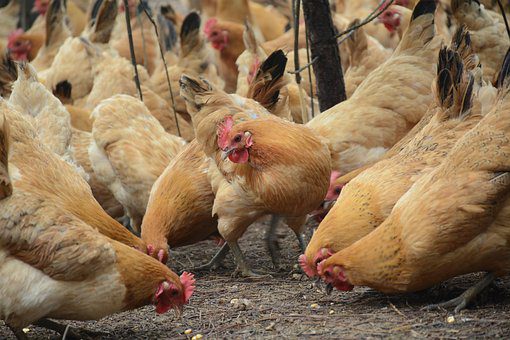
More than 100 poultry farmers and facilitators in Zimbabwe’s Matabeleland South province have graduated from a two-year United Nations-backed training programme designed to curb antimicrobial resistance (AMR) through responsible farming, improved biosecurity and reduced antibiotic use.
The initiative, led by the Food and Agriculture Organisation (FAO) with support from the Fleming Fund and in partnership with the Government of Zimbabwe, concluded last week with graduation ceremonies for 106 participants.
The programme was implemented through Broiler Farmer Field Schools (FFS), which serve as participatory hubs for knowledge transfer and hands-on demonstrations.
FAO Subregional Coordinator for Southern Africa, Patrice Talla said the graduations highlighted how FFS equip farmers with practical skills to boost productivity while promoting prudent antimicrobial use.
“The graduation ceremonies are testimony of how broiler FFS specifically serve as participatory hubs of knowledge transfer, equipping farmers with the necessary skills to navigate production while promoting the prudent use of antimicrobials to combat AMR,” he said.
The training began in February 2024 with a three-week workshop for government and community facilitators, followed by farmer identification, locally adapted curricula and three full broiler production cycles per FFS.
Farmers learned to strengthen biosecurity, reduce disease risks and minimise reliance on antibiotics, aligning with FAO’s RENOFARM initiative, which promotes sustainable agrifood systems.
Talla said FAO plans to expand the model to more districts, integrate lessons into broader agrifood initiatives and deepen surveillance, ensuring sustainability and resilience in the fight against AMR.
JN/APA