



Businesses across Africa are crossing their fungers as nations on the continent await a decision from the White House renewing or discontinuing its flagship African Growth and Opportunity Act (AGOA).
AGOA was approved by Congress 25 years ago with the stated aim of growing African economies through their indigenous business enterprises and strengthening economic ties with the continent which at the time was seen as a region of immense promise.
Since then AGOA has been helping thousands of businesses thrive across 32 African countries by facilitating duty-free access to US markets with total export value at $8 billion in one year, down from $9.3 billion in previous years.
Agricultural products constitute the bulk of African exports to US markets with Nigeria, and Ghana among the largest exporters taking advantage of AGOA.
These enterprises are anxiously awaiting a crucial decision over its renewal because it is set to expire later on Tuesday without any clear indication of an extension on the horizon.
Fear and anxiety grips the African business world given that AGOA’s renewal may have to be hinged on a stopgap funding bill Republicans are championing to ensure the US government remains open beyond the expiry date.
However, unofficial statements from insiders at the White House may inspire some hope.
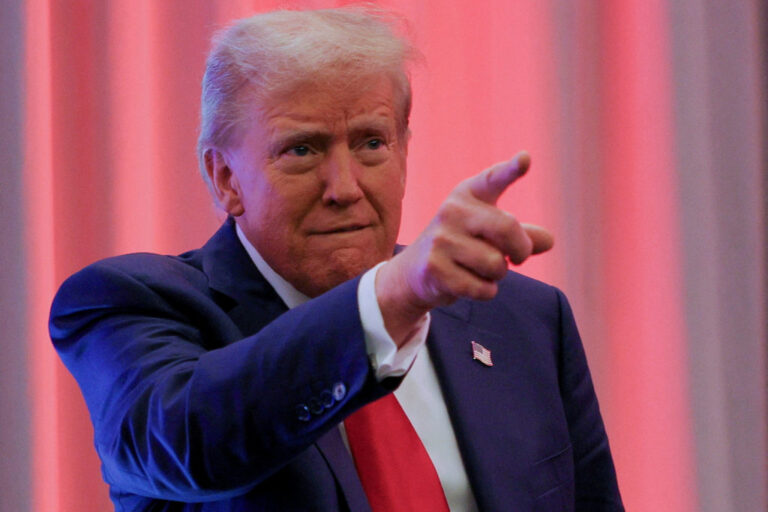
President Donald Trump, they suggest may favourably view the idea of an AGOA renewal for at least a year.
There are fears that in the absence of AGOA, Africa’s export market will face injurious consequences including the possible loss of thousands of indigenous jobs especially the southern African countries like one of the largest exporters South Africa, Lesotho, Madagascar and Botswana which relies heavily on exports to the US.
Other African countries that could be hit hard are Mauritius and Kenya whose textiles, automotive, and apparel sectors are heavily dependent on their portfolio under AGOA to thrive.
Industries in Chad, Eswatini and Malawi will also feel the pinch in the event of an AGOAless business environment.
Many African nations are already reeling from the hefty US tariffs which the Trump administration had introduced since the beginning of the year.
But the impact may also be felt by US businesses given the expected rise in the cost of importing raw materials and other products from elsewhere, limiting their market choices.
WN/as/APA