





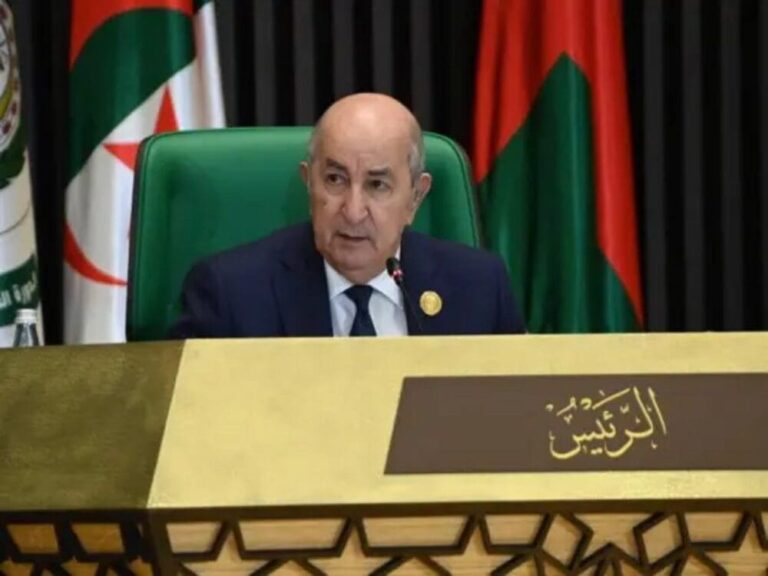
A partial reshuffle has taken place within the Algerian diplomatic and consular corps, following a decision by President Abdelmadjid Tebboune to that effect.
Presented as a “modernisation” of the country’s external representation, this series of appointments comes at a time when Algerian diplomacy is struggling to regain regional and international influence commensurate with its ambitions.
According to the authorities, nineteen ambassadors, five consuls general, and two consuls have been appointed as part of this reshuffle.
The government explains that this reorganization aims to adapt the diplomatic apparatus to “international challenges” and to inject new dynamism into the country’s foreign policy.
This initiative is taking place in a context where Algerian diplomacy is often described as rigid and highly centralized. Despite the country’s energy resources and recurring rhetoric about its regional
role, Algiers’ diplomatic action remains largely influenced by internal political priorities and persistent tensions with several regional partners.
The new ambassadors will be tasked with developing bilateral relations, promoting the country’s economic interests, and strengthening partnerships in key sectors such as energy, trade, and
cultural cooperation. In practice, however, Algerian diplomacy remains largely dependent on gas revenues, Algiers’ main lever of influence on the international stage.
The reshuffle also extends to the consular sector, with the appointment of several consuls general and consuls. The authorities claim they want to improve services for Algerians residing abroad, a
diaspora often critical of the functioning of consular offices and the slowness of administrative procedures.
These appointments are presented as a way to better meet the expectations of this community and streamline certain procedures. Yet, many members of the diaspora continue to denounce a system they consider bureaucratic, unresponsive, and sometimes disconnected from the realities faced by Algerians abroad.
On the political front, this reshuffle comes as Algiers seeks to improve its international image. The authorities have expressed a desire to strengthen the country’s presence in Africa, Europe, and the
Arab world. Despite these ambitions, Algerian diplomacy remains marked by tensions with some neighbors and by a strategy often perceived as defensive rather than proactive.
This series of appointments is therefore part of an attempt to revitalise the country’s diplomatic apparatus. It remains to be seen whether this partial renewal will be sufficient to address the structural limitations of a diplomacy still grappling with the challenge of translating its influence rhetoric into concrete results on the international stage.
MK/AK/te/Sf/fss/as/APA