



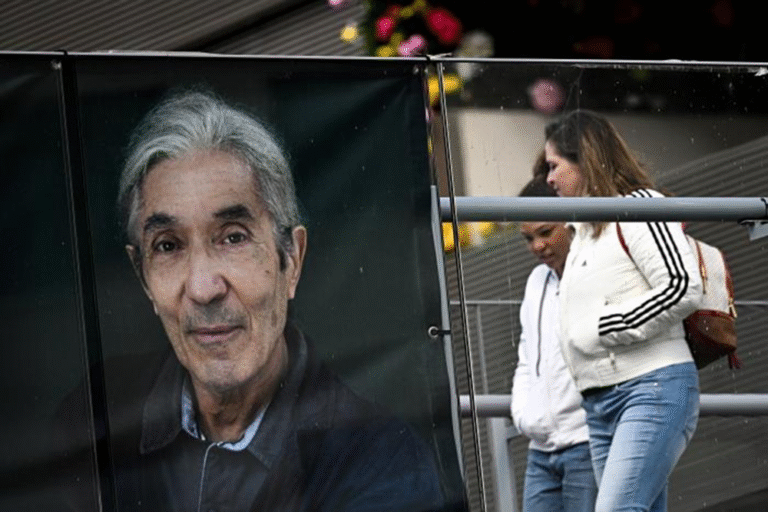
The ongoing imprisonment of prominent Franco-Algerian writer Boualem Sansal, detained since February for “undermining national unity” and “spreading subversive content,” has ignited widespread controversy and become a symbol of increasing restrictions on freedom of expression in Algeria.
Sansal’s exclusion from a recent presidential pardon decree, which covered 2,380 detainees, including several lesser-known journalists and activists on the occasion of Algeria’s 63rd independence anniversary, has been widely interpreted as a deliberate move to silence a critical voice deemed too disruptive by the authorities. The acclaimed author of Oath of the Barbarians, 2084, and The German Village has faced prosecution since February 2025 following a series of social media posts. These posts reportedly denounced “the regime’s democratic veneer” and characterized certain institutions as “hollow structures, disconnected from popular reality.”
Sansal’s initial arrest had already provoked outrage within the literary community. Several recipients of major literary prizes, including the Goncourt, Femina, and Prix des cinq continents de la francophonie, signed a joint statement demanding his immediate release. The European Parliament has also formally requested that the European Commission question Algeria on the compatibility of these prosecutions with the International Covenant on Civil and Political Rights.
The Algerian government, through its Minister of Communications, justified Sansal’s exclusion by stating that “the case is strictly a judicial matter” and that “freedom of opinion cannot be an excuse for undermining the foundations of the nation.” These remarks have been deemed ambiguous by numerous NGOs, including Amnesty International and Reporters Without Borders, who view them as a tactic to suppress any structured criticism of the government amidst a climate of authoritarian recentralization.
Sansal’s lawyers have indicated that they have filed an appeal with the High Council of the Judiciary, and a request for conditional release is reportedly being prepared. His family has maintained silence on the matter, though sources close to them report that Sansal, 75, suffers from respiratory problems exacerbated by the conditions of his detention at El Harrach prison.
Sansal’s case underscores broader concerns regarding the state of fundamental freedoms in Algeria. In recent months, several independent newspapers have had their licenses suspended, and permits for filming, printing, and publishing have become more restrictive. Journalists such as Khaled Drareni and Ihsane El Kadi, despite having been released, continue to face informal restrictions on their professional activities.
MK/ac/Sf/fss/abj/APA