



An influx of nearly 4,000 refugees escaping intensified conflict in Yemen has strained resources in northern Djibouti, where local host communities are already suffering from severe drought and persistent food insecurity.
Speaking from New York during a UN news briefing, UN Resident Coordinator José Barahona reported that the arrivals, predominantly women and children, fled heavy bombardments around the coastal town of Mokha and other locations. Djiboutian authorities and UN rescue teams intercepted the refugees along the coastline and desert border areas, transferring them to the transit hub of Obock.
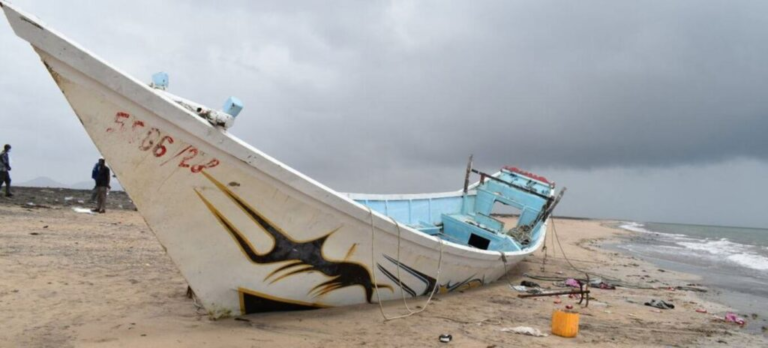
The arrival of displaced families comes as Obock’s 20,000 residents already face critical shortages, with nearly a quarter of the local population experiencing acute food insecurity following a failed rainy season. The humanitarian pressure is further compounded by massive transit migration, as up to 300,000 migrants—mostly from rural Ethiopia—traverse the region annually attempting to reach Gulf nations. The escalating violence in Yemen has left thousands of these migrants stranded in Obock under precarious conditions, a danger highlighted by a recent boat capsizing off the coast that left over 200 people dead or missing.
United Nations agencies are coordinating emergency relief with local authorities to mitigate the compounding humanitarian crisis. The International Organization for Migration, World Food Programme, UNICEF, and UNHCR are providing hot meals, clean water, medical aid, and formal registration services. However, humanitarian organizations warn that out of the $7 million urgently required to maintain the emergency response in Obock, only $2.8 million has been secured, prompting calls for immediate international financial assistance to support host communities and prevent further deterioration.
TE/Sf/lb/abj/APA