





The Egyptian government is preparing to introduce tax-backed sukuk for public and private companies during the 2026–2027 fiscal year, establishing an alternative financing mechanism designed to ease national debt pressures by drawing in advance on corporate liquidity.
Approved by the presidency, these tax sukuk operate distinctly from traditional Sharia-compliant instruments. The financial program allows taxpayers to invest surplus cash into interest-bearing securities whose final values are subsequently offset against future tax liabilities. The Ministry of Finance is scheduled to release the initial regulatory rules governing the framework in the coming weeks, while the Egyptian Tax Authority promotes the initiative as a step toward fostering a partnership-based relationship with domestic taxpayers.
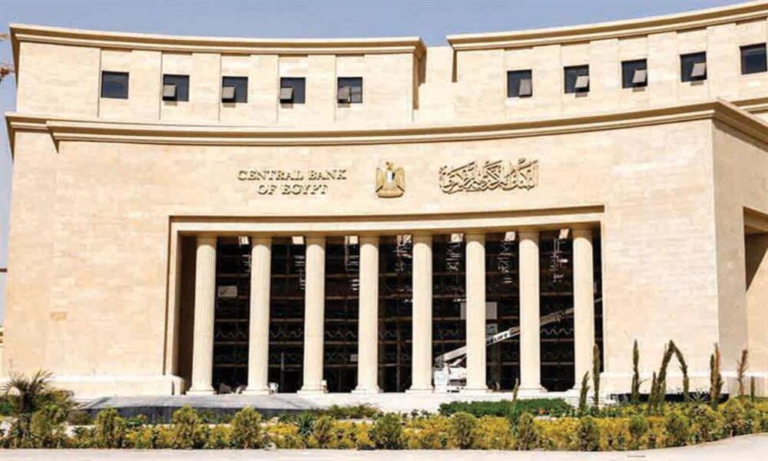
For Cairo, the issuance addresses the urgent budgetary priority of diversifying state funding channels and lowering overall debt servicing costs. Former Deputy Finance Minister Ashraf Al-Araby noted that the securities will offer tax-exempt yields to both private corporations and public entities. Financial markets expert Hossam Al-Ghayech emphasized that tapping liquid domestic enterprises provides a more resilient funding alternative than relying on volatile foreign portfolio flows. However, industry leaders, including Federation of Egyptian Industries Vice President Mohamed Al-Bahey, pointed out that the model effectively ties up corporate cash reserves to pre-finance state tax collections. The ultimate market adoption of the program will hinge on the Central Bank of Egypt’s interest rate alignments, the resolution of potential tax settlement disputes, and whether the proposed yields offer sufficient incentive for companies to lock up their liquidity.
MK/AK/lb/abj/APA