





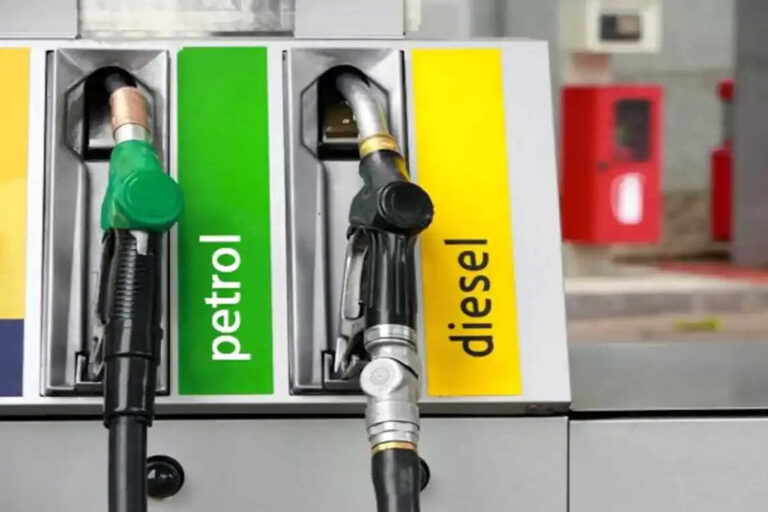
Ethiopia’s federal prosecutors have accused 13 individuals, including high-ranking government officials, of being involved in a fuel diversion scheme that allegedly contributed to recent fuel shortages across the country, APA can report on Friday.
The suspects are accused of aggravating fuel shortages in the domestic market by diverting more than 70 million birr (over $440, 000) worth of gasoline and white diesel outside government oversight.
Among those charged are Esmealem Mihretu, CEO of the Ethiopian Petroleum Supply Enterprise (EPSE), Dibara Fufa, Deputy Director of the Petroleum Sector at the Ethiopian Petroleum and Energy Authority, and Shum-Alem Berhane, Director General of EPSE, alongside other officials and private sector actors.
The prosecution emphasised that the defendants’ actions went beyond financial theft; they had a direct, negative impact on the daily lives of Ethiopian citizens.
The charge asserts that the abuse of power and the diversion of fuel to the black market were primary drivers of the chronic fuel shortages and the long queues seen at gas stations across the country.
By prioritising personal gain over public service, the officials are accused of destabilising a critical sector of the national economy and causing significant public distress.
Under the first count, prosecutors accused the first three defendants, including senior officials from the Petroleum and Energy Authority and EPSE, of violating fuel licensing directives and facilitating the illegal acquisition of 466,058 liters of white diesel in collaboration with a private operator.
The fuel was allegedly diverted for sale to gold miners, resulting in more than 8.4 million birr in losses to the state.
In the second count, the prosecution alleges that three defendants conspired to facilitate the illegal acquisition of more than 1.28 million liters of fuel, causing estimated government losses exceeding 22.5 million birr.
The third count centres on allegations that the owner and manager of Yegna Petroleum P.L.C. was unlawfully granted a fuel distribution license through the involvement of several officials, leading to more than 21.3 million birr in damages.
In the fourth count, prosecutors accused three defendants of bypassing the national fuel supply chain and diverting approximately 1.9 million liters of government-subsidised fuel loaded from Djibouti.
Initial police investigations presented before the court described what authorities called a sophisticated corruption network that extended beyond fuel diversion to the deliberate undermining of Ethiopia’s digital financial and regulatory safeguards, including mandatory electronic payment systems.
MG/as/APA