





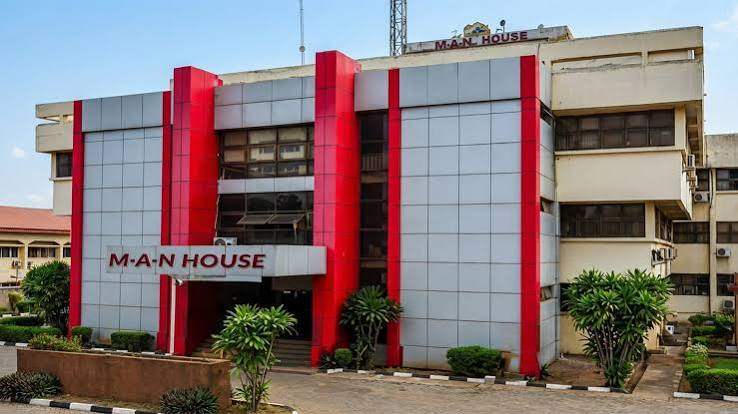
The Director General of the Manufacturers Association of Nigeria (MAN), Mr Segun Ajayi-Kadir, says that the marginal moderation in headline inflation is yet to translate into lower production costs, leaving manufacturers under pressure from high input, energy, logistics and financing expenses.
Reacting to the August inflation rate of 15.39 per cent on Friday in Lagos, Mr. Ajayi-Kadir described the moderation as a positive development and that its limited size showed that the improvement remained fragile.
He said that the August inflation figures provided a modest positive signal for the economy, but stressed that sustainable growth required more than a gradual decline in the headline inflation rate.
According to him, the more critical issue for manufacturers is whether the cost of producing goods is actually declining.
“Manufacturers continue to operate amid high energy costs, logistics challenges, exchange rate costs, elevated raw-material prices and multiple fiscal and regulatory charges.
“The persistent cost pressures has significant implications for production, pricing, investment and employment across the manufacturing sector.
“Manufacturers cannot always pass the full increase in production costs to consumers because of weak purchasing power,” he said.
According to him, this situation continues to put pressure on manufacturers’ margins while increasing their working capital requirements.
He explained that when input prices rise, manufacturers require more funds to purchase the same quantity of materials.
He stated that high energy, financing and logistics costs were also making investment decisions more cautious and reducing the attractiveness of new investments.
“Capacity utilisation could remain constrained as some manufacturers might reduce production when the cost of operating additional shifts or purchasing additional inputs became commercially unsustainable,” he said.
Ajayi-Kadir urged the Nigerian government to use the period of relative inflation moderation to implement targeted measures to reduce production costs and improve productivity.
He called for measures to lower industrial energy costs, including dedicated and reliable electricity supply to major industrial clusters.
He added that priority access to gas for industrial users and incentives for investment in efficient captive power and renewable energy systems would enhance the sector’s productivity.
Ajayi-Kadir also advocated for the rehabilitation of major transport corridors linking ports, industrial clusters, agricultural production zones and major markets, noting that transport contributed 1.64 per cent to inflation.
He urged the government to eliminate unnecessary road charges and overlapping transport-related levies, while implementing the new tax laws in ways that promoted equity, transparency and fairness without imposing additional burdens on local production.
“MAN also calls for effective implementation of the Nigeria First Policy to promote locally manufactured goods, particularly in government procurement.
“We also recommend a targeted, long-term manufacturing financing window at below-market rates to support working capital, machinery acquisition and productivity-enhancing investments, particularly for small manufacturers,” he added.
GIK/APA