





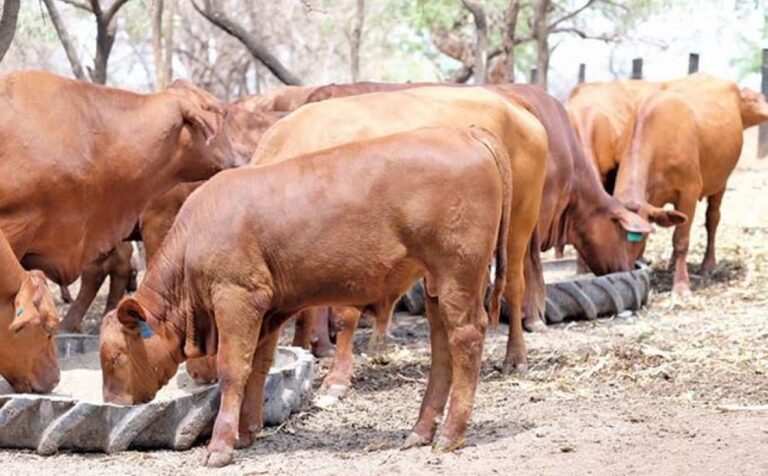
Malawi’s Ministry of Agriculture says the ban on transporting livestock and animal products out of Chiradzulu remains in force despite a recent decline in Rift Valley Fever (RVF) cases across affected extension planning areas.
National epidemiologist Gladson Kamwendo told district officials on Tuesday that while infections are falling, authorities will only consider lifting restrictions once laboratory tests confirm the disease has been fully contained.
Kamwendo said farmers may slaughter livestock locally, but animals must be examined before and after slaughter to prevent further spread.
Chiradzulu declared an RVF outbreak in May after recording 950 livestock abortions and 117 deaths, prompting an immediate ban on slaughter and movement of animals and intensified surveillance in Thumbwe and Mombezi affected areas.
District Commissioner Elestina M’mame said the restrictions have caused livestock shortages and significant losses for dairy farmers, adding that communities are waiting for test results to determine when normal business can resume.
The outbreak comes as East Africa continues to battle recurring RVF episodes linked to heavy rainfall and flooding, with recent cases reported in Kenya, Tanzania and Somalia.
Health experts warn that climate‑driven shifts in mosquito populations are increasing the frequency of RVF outbreaks across the region, heightening pressure on veterinary systems and rural livelihoods.
JN/APA