





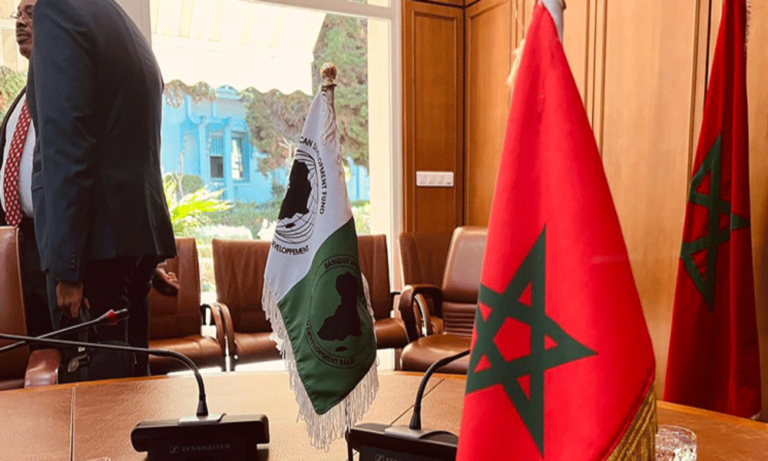
The Electricity Transmission Network Development and Rural Electrification Program (PDRTE-ER), led by the Moroccan National Office of Electricity and Drinking Water (ONEE) with support from the
African Development Bank (AfDB), has achieved results deemed “satisfactory” to “very satisfactory,” according to the latest evaluation report from the pan-African institution.
The AfDB evaluation highlights significant operational progress, supported by substantial investments in transmission infrastructure.
The construction of 254 km of high-voltage lines, including 244.85 km at 400 kV, and the commissioning of a 225/60 kV substation, have strengthened the stability of the national grid, particularly in the Casablanca Central and Southern regions.
The institution emphasises that this infrastructure facilitates the increasing integration of renewable energies, fulfilling a strategic imperative for energy transition.
Rural electrification is one of the most visible indicators of this momentum. The connection of 937 villages, exceeding the initial target by 30%, and access to electricity for 19,980 households demonstrate progress toward near-universal electrification, reaching a rate of 99.91%.
This deployment relies on an extensive network comprising 1,261 km of medium-voltage lines, 3,898 km of low-voltage lines, and 719 substations, contributing to improved living conditions and the development of local economic activities.
The sectoral and macroeconomic impacts are confirmed by the indicators consolidated by the African Development Bank (AfDB).
The share of renewable energy in installed capacity has reached 45.5%, compared to the initial 33.84%, validating the shift towards a lower-carbon energy mix. Peak capacity has reached 7,580 megawatts, exceeding the target, while net energy demand has reached 45,713,104 GWh, reflecting a ramp-up in the national electricity system.
These developments strengthen security of supply for industries and support the attractiveness of the regions.
Beyond infrastructure, the program generates direct economic benefits, with 243 permanent and 744 temporary jobs identified. The report also notes a contract commitment rate of 93.60% and a disbursement level of 45.23%, confirming the project’s progress.
Classified as “not potentially problematic,” the program strengthens Morocco’s credibility with international donors.
However, some adjustments are still underway, particularly concerning the 225 kV “Laawamar Oulad Haddou” line, which is affected by technical and procurement constraints. The AfDB notes that corrective measures have been implemented by ONEE (National Office of Electricity and Drinking Water) to meet the disbursement deadline of June 30, 2028. Despite this area of concern, the institution believes the program remains “on track” to achieve its objectives, establishing Morocco as a regional leader in electrification and energy transition.
MK/AK/te/fss/as/APA