





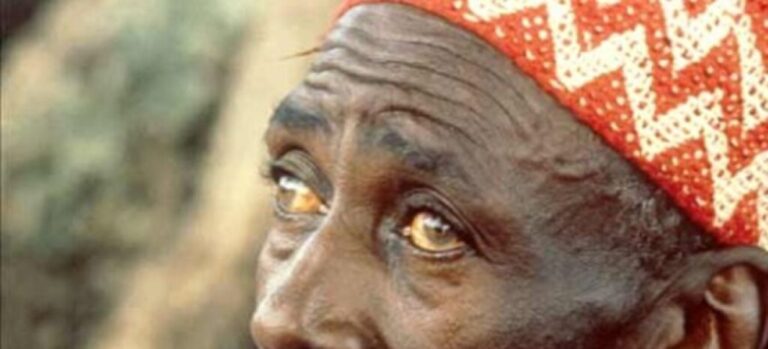
After several years of treatment and monitoring, Senegal could soon turn the page on “river blindness”, with the confirmed interruption of the transmission of onchocerciasis.
The West African country has taken an important step towards the elimination of onchocerciasis, after the confirmation of the interruption of the transmission of this parasitic disease in the Faleme and Gambia basins.
Meeting on Friday August 14, the National Committee of Experts on the Elimination of Onchocerciasis and Lymphatic Filariasis examined the results of the third year of surveillance carried out in these two basins, three years after the cessation of preventive treatments.
No signs of resumption of transmission of onchocerciasis, also called “river blindness,” were detected in the monitored areas, according to the results presented to the committee.
With regard to the criteria of the World Health Organization (WHO), these results confirm the interruption of the transmission of the disease in the Falémé and Gambia basins.
Transmitted by the bite of small black flies that breed near waterways, onchocerciasis can cause intense itching and skin lesions and, in the most serious forms, lead to progressive loss of vision.
This progress is attributed to several years of efforts mobilising populations, health workers, local communities, national programs as well as technical and financial partners.
Senegal now intends to finalize its national file and transmit it to the WHO no later than December 2026, with a view to obtaining official recognition of the elimination of onchocerciasis.
The Ministry of Health and Public Hygiene, through the Directorate for the Fight against Disease, called for continued surveillance and mobilisation of stakeholders in order to preserve the gains made and prevent any reappearance of the disease.
AC/Sf/fss/as/APA