



Female mediators and delegates representing women’s organizations across seven nations assembled at the Hôtel Salam in Bamako from August 26 to 28 to strengthen female leadership in regional conflict prevention and resolution.
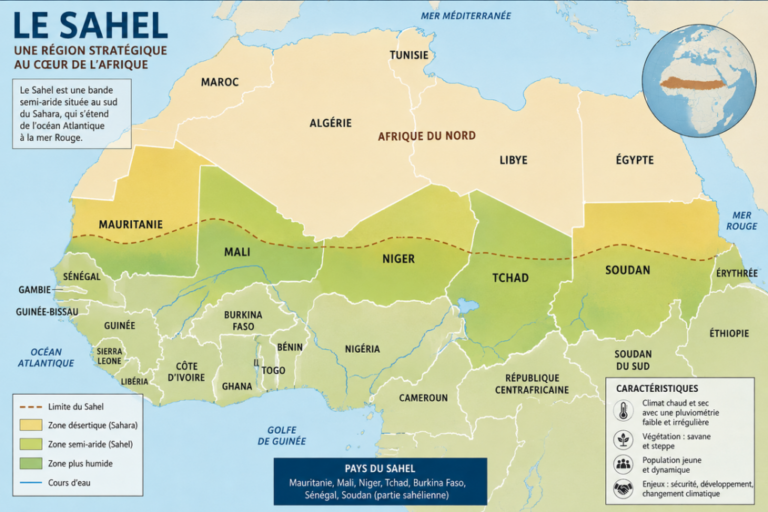
Hosted under the joint leadership of the Malian government, the African Union (AU), and UN Women, the regional forum seeks to bridge the gap between grassroots community-level peace efforts and formal institutional decision-making. The high-level assembly brings together representatives from Mali, Burkina Faso, Niger, Benin, Chad, Mauritania, and Côte d’Ivoire, along with national officials, regional leaders, security forces, and religious and youth advocates.
The opening proceedings were led by Mali’s Minister for the Promotion of Women, Children and the Family, Djénéba Sanogo, alongside Ambassador Liberata Mulamula, the AU Commission Chairperson’s Special Envoy for Women, Peace and Security. Foreign dignitaries and key international partners were also present, including Malian Minister of Foreign Affairs Abdoulaye Diop, UN Resident and Humanitarian Coordinator in Mali Hanaa Singer-Hamdy, and Dutch Ambassador to Mali Erik de Feijter.
Deliberations over the three-day summit center on expanding early warning systems, enhancing protection for female mediators, and coordinating cross-border peacebuilding initiatives. Across crisis-impacted territories, local women frequently serve on the front lines by detecting emerging tensions, fostering intercommunal dialogue, supporting displaced populations, and facilitating access to essential services. The forum is intentionally structured to integrate this established grassroots expertise directly into state and regional mediation networks.
This mobilization comes at a critical juncture for West and Central Africa, where humanitarian displacement remains severe. UN Refugee Agency data indicates that nearly 20 million people were forcibly displaced or stateless across the region by April 2026, with women and children comprising 80 percent of registered refugees and asylum seekers. Despite carrying a disproportionate burden of regional instability, women remain starkly excluded from formal diplomacy; nearly 26 years after UN Security Council Resolution 1325, female representation accounted for under 10 percent of peace negotiators and under 14 percent of mediators globally in 2023. Addressing the gathering, Minister Sanogo underscored that meaningful inclusion of women is not merely a matter of equity, but a mandatory requirement for achieving durable, long-term peace agreements.
Supported by UN Women, the Netherlands, and the Women’s Peace and Humanitarian Fund, the conference concludes on Friday, August 28. The final actionable recommendations will target enhanced funding streams for women-led organizations, increased physical protection for local peacebuilders, and formalized structures for cross-border mediation.
MD/te/Sf/lb/abj/APA