





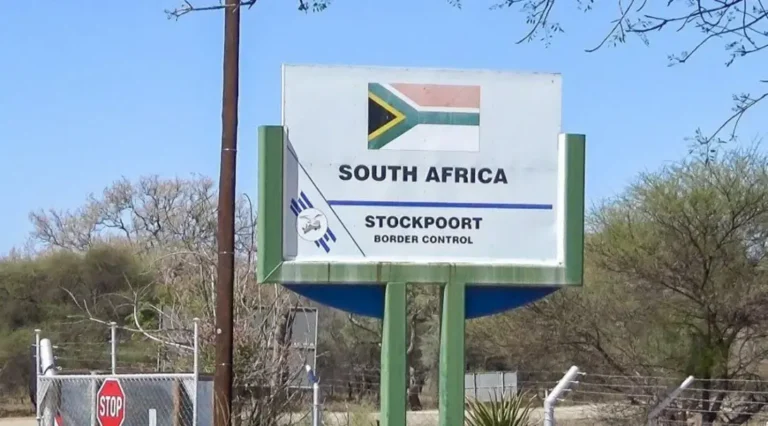
South Africa’s Border Management Authority (BMA) has adjusted operating hours at several ports of entry ahead of the Easter weekend, introducing extended and 24‑hour openings to manage what is traditionally one of the busiest travel periods of the year.
The Easter holiday routinely brings a sharp spike in cross‑border movement as thousands of travellers head home, attend religious gatherings or take advantage of the long weekend, often resulting in long queues, congestion and pressure on border infrastructure.
BMA Commissioner Michael Masiapato said the agency is implementing a comprehensive Easter Operational Plan to ensure efficient and secure movement across the country’s 71 ports of entry.
“This plan reflects the Authority’s commitment for the robust implementation of border law enforcement functions while enabling legitimate travel, tourism and trade during one of the busiest periods on the country’s national calendar,” Masiapato said on Sunday.
He said the BMA has held extensive coordination meetings with neighbouring countries – Lesotho, Mozambique, Zimbabwe, Namibia, Eswatini and Botswana – resulting in agreements to temporarily extend operating hours at key border posts.
Groblersbridge on the Botswana border will operate 24 hours on selected days between 2 and 6 April, while Kopfontein will also open around the clock on 2 and 5 April.
Mozambique’s Kosibay crossing will extend its hours from the usual 8am–5pm (0600 – 1500 GMT) to 6am–6pm on 27 March and 10 April.
Several Eswatini and Lesotho border posts will also operate longer hours, including Jeppes Reef, Mananga, Sanipass, Caledonspoort and Van Rooyensgate, with some opening until midnight or for full 24‑hour periods to ease anticipated congestion.
To bolster capacity, provincial governments have deployed additional immigration officers to major airports, including 50 officials from the Western Cape at Cape Town International Airport and 80 from Gauteng at OR Tambo International Airport.
The BMA has also partnered with the Department of Social Development to station social workers at ports of entry to safeguard minors and vulnerable travellers, and with the Department of Tourism, which has deployed more than 160 tourism safety officers.
Infrastructure support from the Department of Public Works and Infrastructure includes temporary lighting, ablution facilities, barricades and water tankers to improve conditions at busy crossings.
Traffic authorities will intensify enforcement along key corridors leading to border posts.
JN/APA