





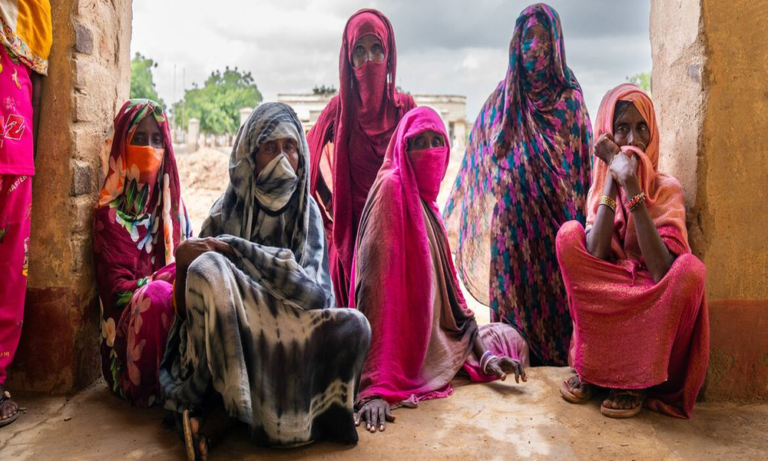
Sudan has crossed a catastrophic threshold as the war between the national army and the Rapid Support Forces (RSF) enters its second thousand days.
Tom Fletcher, head of the United Nations’ emergency relief program, issued a stark warning this Tuesday, describing the nation as a country hollowed out by nearly three years of unrelenting violence. The conflict, which ignited on April 15, 2023, due to a power struggle between General Abdel Fattah al-Burhan and Mohamed Hamdan Daglo, has fundamentally dismantled the state, transforming major cities like Khartoum into desolate combat zones and triggering a collapse of essential public services.
The human cost of this prolonged stalemate is staggering, with OCHA reporting that more than 10,000 displaced individuals in South Kordofan are currently trapped in camps with virtually no access to clean water, food, or medical care. The crisis is expanding rapidly into North Darfur, where over a thousand newly displaced people recently arrived in the town of Tawila to find aid supplies exhausted. Similar waves of displacement are destabilizing East Darfur and the Blue Nile State, creating a regional emergency that is outpacing the international community’s ability to respond.
In response to this escalating disaster, the UN is backing diplomatic initiatives led by the “Quad”—comprised of the United States, Egypt, Saudi Arabia, and the United Arab Emirates—in hopes of securing a humanitarian truce. The humanitarian response plan for 2026 requires an estimated $2.9 billion to provide life-saving assistance to more than 20 million people. Despite numerous past attempts at ceasefires, the fighting has shown no signs of abating, leaving the population in what is now considered one of the most severe and underfunded humanitarian crises in modern history.
DM/Sf/fss/abj/APA