





The UN High Commissioner for Human Rights has denounced a practice that allows the Egyptian authorities to keep opponents, activists, and journalists behind bars indefinitely, even after completing their official prison terms.
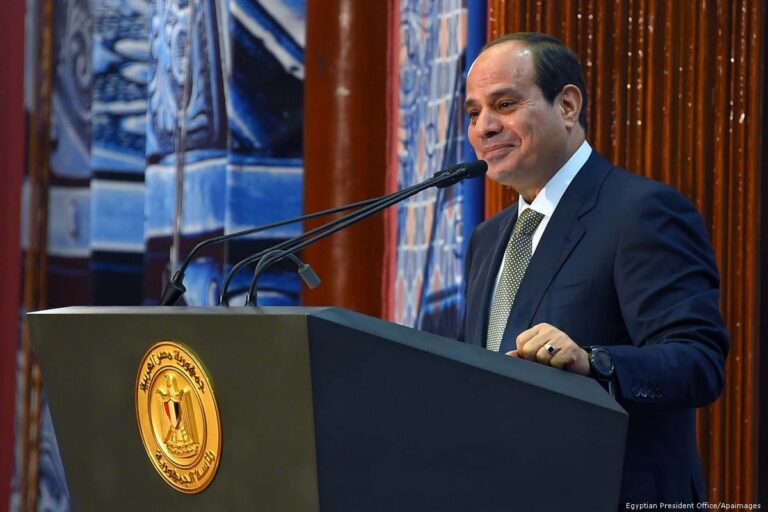
Known as “rotation,” the system was criticised on Monday, 25 August, by UN rights chief Volker Türk, who described it as “a favoured tool of President Abdel Fattah al-Sisi’s government to silence critics and political opponents.”
The opaque mechanism works by bringing new charges—often under anti-terrorism laws—whenever a sentence ends or pretrial detention expires. The fresh indictments, usually echoing earlier accusations, effectively reset the clock, prolonging imprisonment without end.
Lawyers, journalists, rights defenders, activists, and peaceful protesters are especially vulnerable. The case of poet Galal El-Behairy illustrates the trend: sentenced in 2018 for satirical writings, he completed his term in July 2021 but was never released, with two new cases opened against him. On 19 August, prosecutors once again extended his detention by 15 days.
Rights groups say the practice institutionalizes repression by bypassing judicial rulings that should lead to release. “The Egyptian government must immediately end this practice and free all those affected,” Türk urged.
His statement comes amid a surge in arrests of government critics, as Cairo faces sensitive political and economic challenges.
Since taking power in 2013, Sisi has been repeatedly accused by rights groups of turning the judiciary into an instrument of repression, relying on anti-terror laws for political purposes.
Despite ongoing backing from Western and regional partners, the use of “rotation” reinforces Egypt’s image as a tightly controlled state where the rule of law gives way to permanent security oversight.
MK/sf/lb/as/APA