





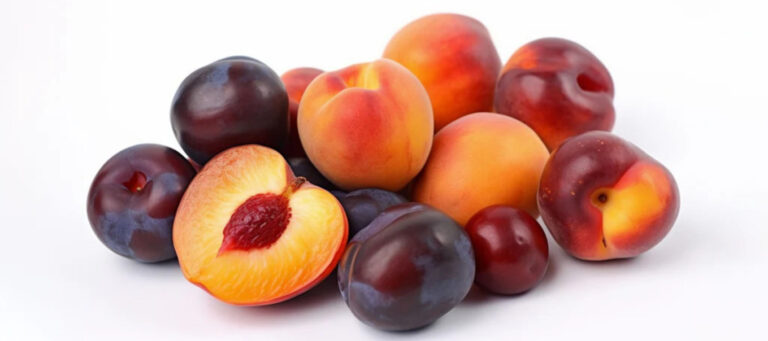
Zimbabwe earned about $11.6 million from horticultural exports to China in 2025 as Beijing widens market access for Zimbabwean produce ahead of new zero‑tariff benefits that take effect on 1 May.
According to the state-run Herald daily, demand for Zimbabwe’s fruits and nuts continues to grow, with trade expected to expand as protocols for citrus, avocados and blueberries are now in place.
Quoting the Chinese Embassy in Harare, the daily said Chinese buyers have already begun visiting farms to secure supplies in anticipation of the zero‑tariff regime, which will apply to 53 African countries, including Zimbabwe.
The move is expected to deepen agricultural trade between the two nations, which have strengthened economic ties over the past decade.
Zimbabwe’s trade promotion body, ZimTrade, will host a Zimbabwe‑China Horticulture Buyers’ Engagement from 8 to 10 April in Mutare, bringing together 10 Chinese importers and distributors.
ZimTrade communication manager Danai Majaha said the mission will allow exporters to showcase products and negotiate supply arrangements for crops that already have, or are securing, market access to China, including avocados, macadamia nuts, blueberries, pecan nuts, chilli and sesame.
The engagement follows a series of trade protocols signed in recent years. Zimbabwe and China concluded a citrus protocol in 2022, enabling exports of oranges, mandarins, grapefruit, lemons and sour oranges.
Beijing has since registered Zimbabwean orchards and packhouses for citrus shipments.
In 2024, Presidents Emmerson Mnangagwa and Xi Jinping witnessed the signing of phytosanitary requirements for fresh avocado exports, while a blueberry export protocol was finalised during Mnangagwa’s visit to China last year.
Zimbabwe’s horticulture sector is expected to play a larger role in future trade growth. Blueberry production, which has expanded at a compound annual growth rate of 38.4 percent over the past five years, earned the country US$56.6 million in 2024.
JN/APA