





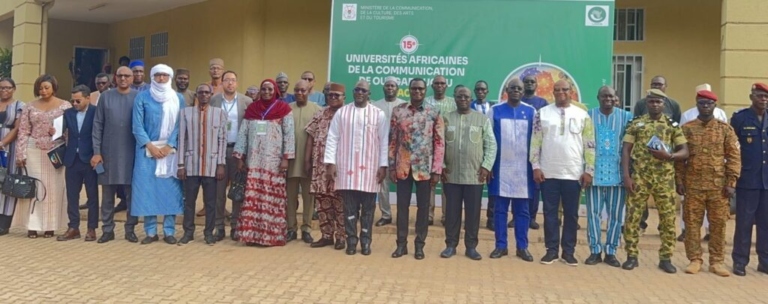
African media professionals, academic researchers, and digital ecosystem stakeholders have been urged to expand institutional fact-checking capabilities and adopt advanced digital verification protocols to counter systemic disinformation across the continent.
The strategic call to action emerged from the conclusions of the 15th edition of the African Communication Universities of Ouagadougou (UACO), a three-day summit hosted in the Burkinabe capital focused on navigating modern information warfare and digital manipulation.
Delegates recommended establishing robust media-monitoring frameworks, expanding public media literacy initiatives—particularly targeting youth demographics—and fostering cross-sectoral collaboration between news outlets, technology platforms, state institutions, and civil society organizations. The assembly emphasized that effective defense in contemporary information spaces requires continuous technical training in artificial intelligence applications, data management, cybersecurity, and investigative verification, while encouraging media houses to prioritize conflict-prevention reporting and social cohesion. Closing the conference, Burkina Faso’s Minister of Communication, Pingdwendé Gilbert Ouédraogo, called for the immediate implementation of the forum’s roadmap, urging journalists to maintain rigorous verification standards as the UACO prepares for its next biennial gathering in 2027.
HO/te/Sf/lb/abj/APA