





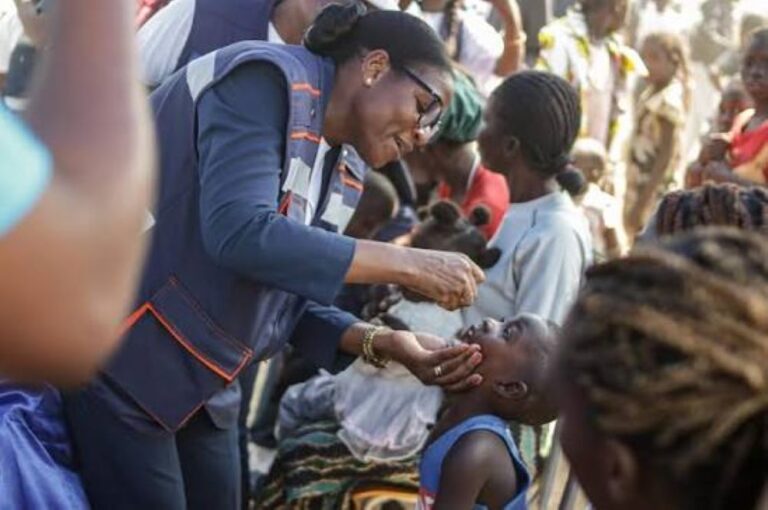
Angola is translating the lessons learned into concrete actions to strengthen immunization, reach more children, and accelerate efforts towards the eradication of polio, according to the World Health Organization in a statement on Tuesday.
This follows in the footsteps of two national polio vaccination campaigns and two campaigns carried out in coordination with Namibia and the Democratic Republic of the Congo in border areas, which enabled more than nine million children under the age of five to be vaccinated,
This commitment was reaffirmed during the National Post-Campaign Evaluation Workshop, organised by the Angolan health ministry through the National Immunization Program, with the support from the WHO and other partners.
Against a backdrop in which poliomyelitis continues to pose a threat to public health worldwide, the evaluation aimed to analyze the performance of the campaigns conducted in the first half of 2026, identify best practices, understand operational challenges, and define concrete measures to strengthen future vaccination campaigns and routine immunization services.
Over the course of three days, evidence was analyzed from administrative vaccination data, independent monitoring, quality surveys (LQAS), supervision reports, epidemiological surveillance, logistics management, and social mobilization activities. The analysis identified opportunities to improve campaign quality, strengthen the use of data in decision-making, and expand the health services’ capacity to vaccinate all eligible children.
The evaluation covered all stages of the process, from micro-planning and team training to vaccine distribution, cold chain operations, field supervision, and community engagement. The findings will form the basis for measures to increase vaccination coverage, address operational gaps, and strengthen response capacity in the most remote and hard-to-reach areas.
The workshop also highlighted the importance of strengthening surveillance for Acute Flaccid Paralysis (AFP) and environmental surveillance. These systems are essential for the early detection of any potential poliovirus circulation. Strengthening these mechanisms remains a priority to safeguard the progress made and ensure a rapid response to any public health risks.
Strengthening routine vaccination was another key topic of discussion. Participants examined strategies to identify and vaccinate unvaccinated or under-immunized children, improve the management of vaccines and consumables, and expand access to immunization services across all provinces. These measures are essential to reduce the number of ‘zero-dose’ children and ensure more equitable protection for all families.
WN/as/APA