





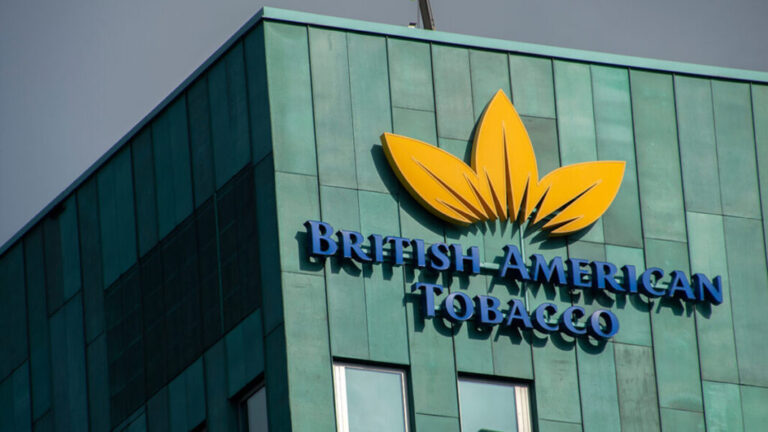
British American Tobacco South Africa (BATSA) has announced that it will shut down its cigarette manufacturing plant by the end of 2026, citing the explosive growth of the illicit cigarette trade that now accounts for about 75 percent of the national market.
The Heidelberg facility in Gauteng, operating since 1975, is currently running at just 35 percent of capacity due to collapsing legal sales, a decline BATSA attributes directly to the dominance of illegal cigarettes sold far below the tax‑compliant price point.
“With approximately 75 percent of the South African cigarette market now estimated to be illicit, continued local manufacturing has become unviable,” BAT Sub-Saharan Africa corporate and regulatory affairs head Johnny Moloto said on Friday.
The company will shift to an import‑based supply model but says it may reinvest in local production if the illicit trade is brought under control.
The closure places roughly 230 jobs at risk and is expected to ripple through the broader Lesedi community, affecting suppliers, logistics operators and contractors.
According to Moloto, the decision marks “an incredibly difficult day” for the company and its workforce in the face of an illicit market operating outside regulatory and tax systems.
South Africa’s illicit tobacco trade surged during the 2020 COVID‑19 tobacco sales ban, which the South African Revenue Service (SARS) has described as a turning point that entrenched criminal networks and permanently weakened the legal market.
Above‑inflation excise increases and pending tobacco legislation – which SARS warned could worsen illicit activity – have further widened the gap between legal and illegal products.
BATSA said it has spent a decade warning government about the escalating crisis but argues that enforcement efforts have been insufficient to protect lawful manufacturers.
JN/APA