





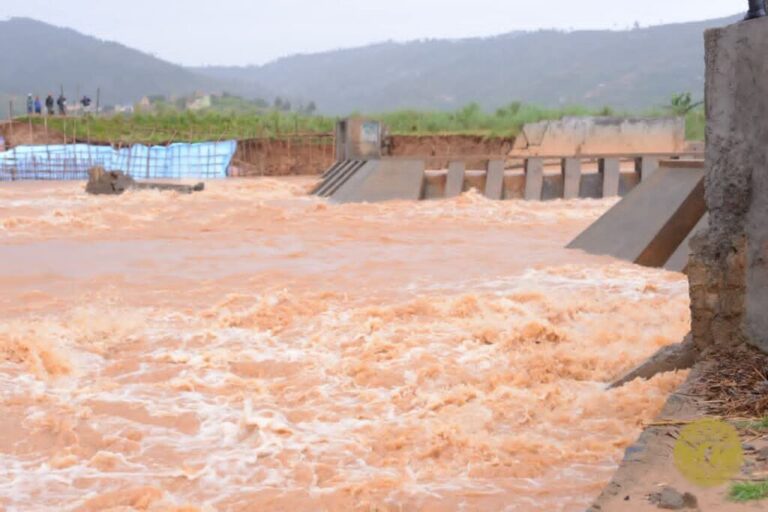
The humanitarian crisis in Madagascar has escalated significantly as updated reports from the National Office for Risk and Disaster Management (BNGRC) now confirm at least seven deaths following the passage of Tropical Cyclone Fytia.
Initially estimated at 7,200, the number of affected individuals has surged to over 54,000 across 19 districts. The storm, which made landfall as a powerful Category 3-equivalent cyclone with gusts up to 210 km/h, has left a trail of destruction in the northwestern regions and the capital, Antananarivo.
Infrastructure damage is extensive, with authorities reporting over 1,400 homes completely destroyed and 9,000 others flooded. The education sector has also taken a heavy hit, with at least 24 classrooms damaged, disrupting learning for thousands of students. While the core of the storm has moved back over the Indian Ocean toward Réunion, the BNGRC warns that heavy rainfall continues to threaten northern and central-western regions, raising the risk of further landslides and the collapse of weakened dikes along the Sisaony river.
In response to the emergency, the National Emergency Operational Coordination Center (CNCOU) has deployed civil protection teams, water pumps for drainage, and essential food supplies to the hardest-hit areas, including Soalala, Marovoay, and Mahajanga. However, rescue efforts remain hampered by physical access constraints, as several communes such as Mitsinjo and Besalampy remain isolated due to high water levels. Authorities continue to monitor the situation closely as the island remains on high alert for secondary flooding.
AC/Sf/fss/abj/APA