



The CSA believe that this interpretation does not sufficiently take into account the efforts made by the three states in the fight against terrorism.
The meeting was held in the presence of the diplomatic representatives of Mali and Niger. This statement was also relayed by the Nigerien Ministry of Foreign Affairs, which reiterated the position expressed on behalf of the three countries of the confederation, confirming Niamey’s alignment with this joint diplomatic approach.
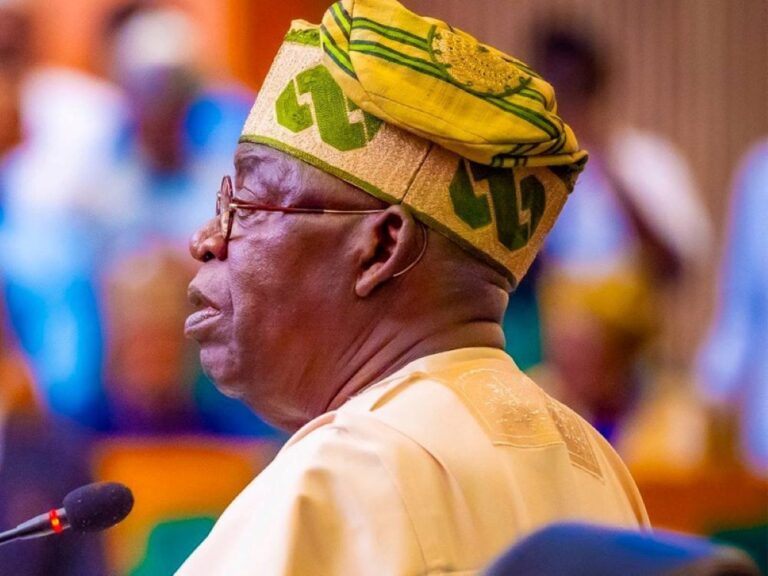
The authorities of the AES are reacting to remarks made on July 30, 2026, by the Nigerian president during a meeting with traditional leaders in Abuja. Bola Ahmed Tinubu had then drawn a link between the security situation in some neighbouring Sahel countries and the resurgence of attacks and kidnappings in Nigeria.
“Some of them (the terrorists) are not Nigerian. You see, the problem of insecurity in Mali, Burkina Faso, and Niger only exacerbates our difficulties,” the Nigerian head of state had declared.
“We would have preferred a more accurate presentation of the security situation, rather than placing the blame for a complex situation on neighbouring countries, at the risk of fuelling misunderstandings and frustrations between peoples bound by history, geography, and fraternity,” declared Karamoko Jean Marie Traore.
Regarding Niger, the Burkinabe Foreign Minister stated that the Nigerian president’s remarks minimize the role played by the Nigerien army in the fight against Boko Haram, noting that Niamey was facing this threat even before the emergence of large-scale terrorist insecurity in the other countries of the Alliance.
He also noted that the confederation’s member states had avoided publicly designating Nigeria as responsible for some cross-border threats, despite the established links between Boko Haram and groups active in the Sahel region.
“Burkina Faso, Mali, Niger, and Nigeria are facing the same enemy,” the minister stresses, adding that the progress made by the Special Economic and Monetary Association (SEMA) forces also contributes to strengthening security throughout the sub-region.
“We are not responsible for what is happening to us. We are paying the price, but the real enemies are elsewhere,” said Karamoko Jean Marie Traore, calling for a collective response to a common threat.
In response, the Nigerian chargé d’affaires indicated that he had taken careful note of the message and pledged to convey it to the authorities in Abuja. He acknowledged the efforts made by the AES countries in the fight against terrorism, specifically citing Niger’s role in preventing attacks that could target Nigerian territory.
This development comes as the AES countries and Nigeria, all facing cross-border security threats, seek to maintain cooperation mechanisms despite differing political approaches to managing the Sahel crisis.
AC/Sf/fss/as/APA