



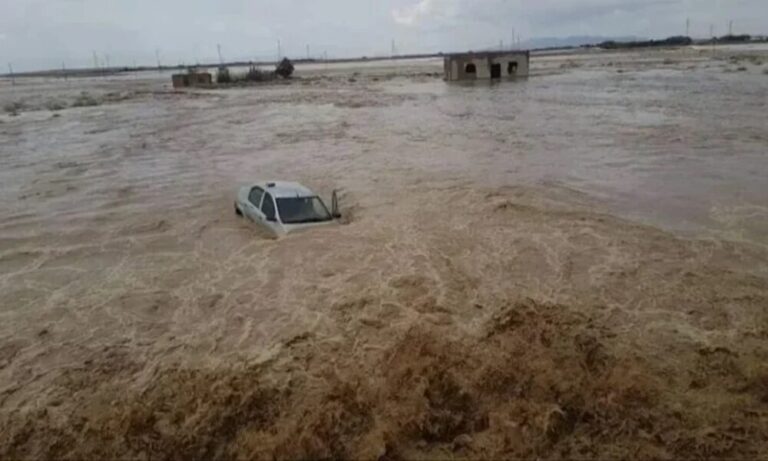
Tunisia and Algeria are facing a humanitarian crisis as severe weather conditions have claimed at least six lives following a period of unprecedented torrential rain and snowfall.
On Tuesday, January 20, 2026, authorities reported that four people died in the Tunisian city of Moknine after being caught in flash floods that have been described as the heaviest the country has seen in over 70 years. The deluge has caused widespread chaos in Tunisia, paralyzing traffic in the capital and forcing the closure of schools across 11 governorates, while several international embassies were forced to suspend operations due to the rising waters.
In neighboring Algeria, the extreme weather resulted in two additional fatalities, including a 13-year-old girl swept away by floodwaters in Chlef province and a man in his sixties discovered near a riverbank in Relizane. Heavy rains have triggered significant flooding across western and central Algerian provinces, prompting emergency teams to launch large-scale rescue operations to assist trapped residents and pump water from inundated homes. Meteorological officials in Algeria have warned that the situation remains volatile, with forecasts predicting further intense rainfall and hurricane-force winds in the coming days.
These dramatic weather events mark a stark shift for the North African region, which had previously been struggling with years of prolonged drought and water scarcity. While the rain is record-breaking—with some areas in Tunisia recording over 230 mm in a single day—the scale of the flooding has exposed the vulnerabilities of aging drainage infrastructure. As the Tunisian military joins rescue efforts and Algerian authorities brace for more snow in mountainous regions, both nations remain on high alert for further casualties and structural damage.
AK/Sf/fss/abj/APA