



The Democratic Republic of Congo (DRC) continues to face a major cholera outbreak, as national and international attention remains largely focused on the Ebola epidemic.
Since the beginning of 2026, 41,279 suspected cases and 1,214 cholera-related deaths have been recorded, according to the latest data from the World Health Organization (WHO).
While the epidemiological situation has generally improved compared with the previous year, cholera transmission remains a concern in several provinces across the country. The disease, which has been resurgent in the DRC since 2025, continues to spread particularly in areas facing limited access to safe drinking water, sanitation and healthcare services.
Transmission declining but still active
WHO data show a decline in transmission in 2026 compared with the same period in 2025. At the same point last year, 48,383 cases and 1,479 deaths had been reported.
The number of suspected cases has therefore fallen by 14.68 percent year-on-year, while the cumulative case fatality rate currently stands at 2.94 percent.
However, this improvement does not mean the outbreak is over. On the contrary, transmission remains high. Between 10 and 16 August, 1,669 suspected cases and 36 deaths were reported in 64 health zones across 14 provinces. The previous week’s tally stood at 1,528 cases, including 29 deaths.
WHO has noted an overall reduction in the intensity and geographical spread of transmission compared with 2025, but at the same time observed an upward trend over the past four weeks.
The country has also been recording more than 1,000 suspected cases per week for several weeks, well above the alert threshold of 500 weekly cases. The situation is considered particularly concerning as the onset of the rainy season could fuel further spread of the disease.
Kivu provinces particularly affected
North Kivu and South Kivu are among the hardest-hit areas. The two provinces alone account for 52 percent of recently reported suspected cases.
North Kivu recorded 444 cases, including three deaths, while South Kivu reported 420 cases and 13 deaths.
The persistence of outbreaks in these regions, which are already grappling with major humanitarian and health challenges, poses a significant challenge for the authorities.
WHO has also reported a resumption of case notifications in three health zones after eight weeks without any new suspected cases. In South Kivu, Lulenge-Kimbi reported 42 cases and five deaths. In Kinshasa, Lemba recorded three cases and one death, while Busondjo in Mongala reported one case with no deaths.
Vigilance remains essential
In response to the continued presence of these outbreaks, WHO is calling for enhanced epidemiological surveillance, particularly in hotspot areas and along major transmission routes.
Congolese health authorities, with support from United Nations agencies, are continuing active case finding within communities and investigations to better track the evolution of the outbreak.
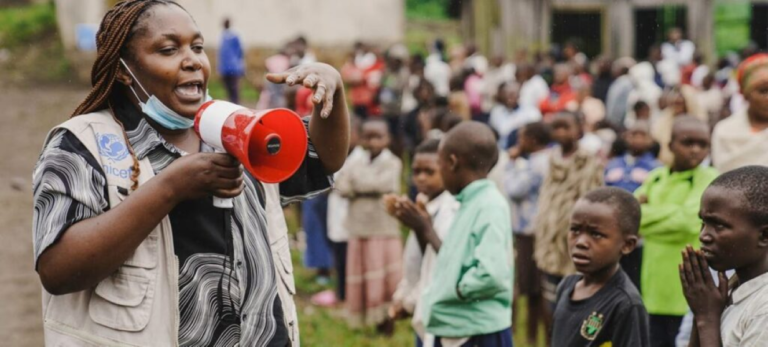
Awareness and community mobilisation efforts are also being stepped up. Prevention and infection control kits continue to be distributed to households and communities living in affected areas.
Thus, despite an overall decline in cases compared with 2025, cholera remains a persistent health threat in the DRC. The concentration of cases in several hotspots, the continued weekly tally above the alert threshold and the approaching rainy season are compelling health authorities to maintain strong surveillance and prevention efforts.
As the country simultaneously grapples with the Ebola outbreak and other health challenges, containing cholera remains another key front in the national health response.
TE/Sf/lb/as/APA