



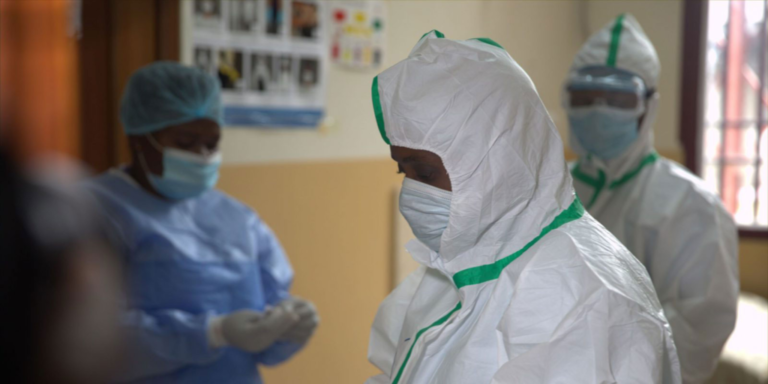
The ongoing Ebola outbreak in the Democratic Republic of Congo has crossed a critical threshold, recording 3,007 fatalities out of 6,186 confirmed cases as of August 31, 2026, according to official health surveillance data.
With 1,409 recorded recoveries, the overall case fatality rate stands at 48.6 percent. Attributed to the Bundibugyo strain of the filovirus, the epidemic continues to concentrate heavily in eastern and northeastern provinces, with Ituri and North Kivu remaining the primary hubs of active transmission.
Epidemiological reporting from the latest monitoring cycle indicates 86 newly confirmed infections—including 49 in Ituri, 32 in North Kivu, and five in Haut-Uélé—alongside 57 additional deaths and 26 patient recoveries. First declared in May 2026, the outbreak’s rapid geographic expansion has been compounded by persistent regional insecurity, mass population displacement, and severe physical access constraints. Response teams face further obstacles from high rates of community-level mortality occurring prior to isolation center admission, a dynamic that severely impedes contact tracing and early clinical intervention.
In response, public health authorities alongside international partners have intensified ring vaccination campaigns for frontline medical personnel, expanded contact monitoring networks, and reinforced community outreach initiatives. While several isolated health zones have reported no new transmission for consecutive weeks, active viral clusters continue to strain medical infrastructure across primary hotspots. Consequently, the World Health Organization has urged sustained surveillance protocols and dedicated clinical care capacity to sever remaining transmission chains and prevent secondary spread into uninfected territories as the epidemic ranks among the most severe health crises in the country’s history.
TE/Sf/lb/abj/APA