



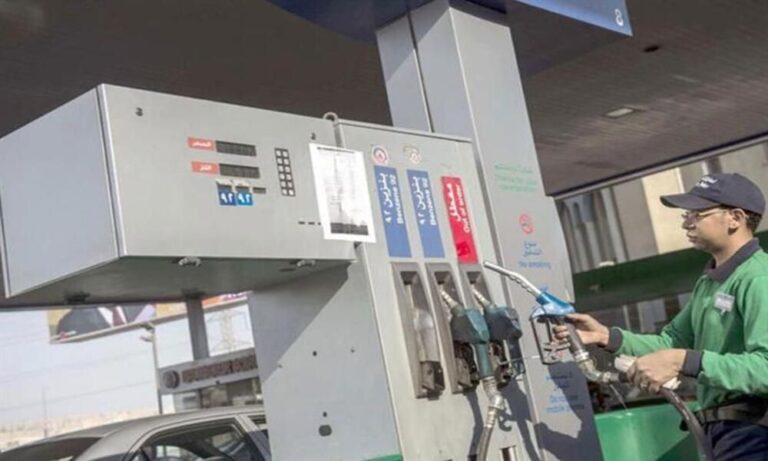
Egyptian Prime Minister Mostafa Madbouly has presented three options for absorbing rising energy costs, as the price of a barrel of oil approaches $110 – well above the $75-per-barrel figure used in Egypt’s national budget.
Speaking at the “Egypt 2026” forum held in the New Administrative Capital, Prime Minister Madbouly outlined the strategies the state is considering to address the surge in oil prices. This price spike, occurring against a backdrop of regional tensions, is increasing public expenditure and complicating the financing of the country’s energy needs.
According to Madbouly, the state budget was drafted based on an oil price of $75 per barrel, whereas the price of Brent crude is now hovering around $110. The increase affects more than just transport fuels; it also drives up the cost of the natural gas used for electricity generation, thereby placing an additional burden on public finances.
In light of this, the PM presented three options. The first would be to pass the full cost increase on to consumers – an approach adopted by several other countries. While this would alleviate pressure on the national budget, it would directly impact household purchasing power and increase operating costs for businesses.
The second option would be for the state to continue covering a portion of the price increase, either by mobilising additional resources or through borrowing. Madbouly cautioned, however, that this could lead to an increase in debt and interest payments, potentially creating a long-term strain on future budgets.
The third option would be to purchase petroleum products at the new, higher prices, while remaining strictly within the limits of available budgetary allocations.
According to the head of government, this solution would cover only 50% to 60% of requirements, carrying a risk of fuel shortages and power outages lasting up to eight hours a day.
At the same time, Egypt intends to accelerate the diversification of its energy supply. Madbouly announced a target for renewable energy to account for 50% of the national energy mix by 2030 – an increase from a previously set goal of 42%, which had already been raised to 45% by 2028.
He stated that the government has allocated 200 billion Egyptian pounds toward this ambition.
The country currently has 10.5 gigawatts (GW) of renewable energy capacity, out of a total installed electrical capacity of 64.4 gigawatts.
MK/AK/fss/as/APA