





Egypt’s removal from FTSE Russell’s watch list has, for now, eliminated the risk of its downgrade to frontier-market status. The decision is a positive signal for Cairo, but does not in itself demonstrate the structural strength of the country’s financial market.
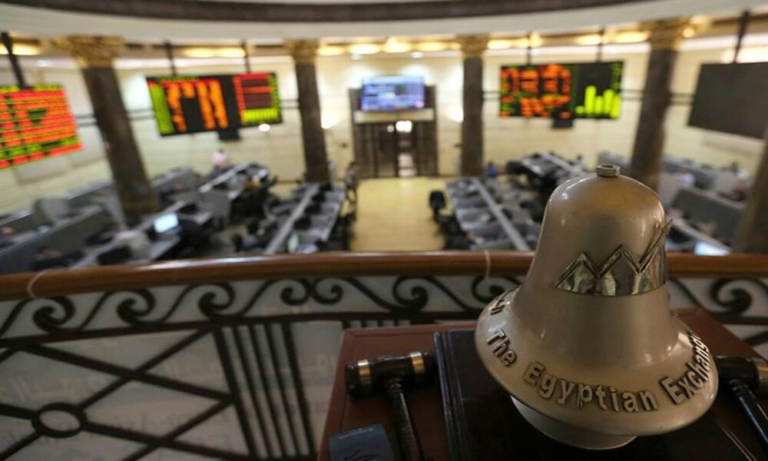
The Egyptian Exchange welcomed on Wednesday, FTSE Russell’s decision to remove Egypt from its watch list and retain the country in the secondary emerging-market category.
Placed under review in September 2025, the Egyptian market had been weakened in particular by the insufficient number of companies meeting the index’s eligibility criteria. The risk of a downgrade had exposed limitations in market depth and its ability to attract international investors on a sustained basis.
Improved eligibility indicators have helped avert that threat. By June 2026, three Egyptian companies met the criteria for mid-cap stocks: Commercial International Bank (CIB), Talaat Moustafa Group Holding and Telecom Egypt.
This progress addresses FTSE Russell’s requirements but does not, by itself, demonstrate a broad-based improvement in market liquidity, corporate governance or market diversification.
Investor confidence remains the key issue. FTSE Russell’s classifications influence the visibility of markets among international asset managers and can affect allocation decisions by funds tracking its indices.
Retaining Egypt in this category therefore preserves its potential access to some of that capital. However, index eligibility guarantees neither new investment inflows nor their stability, particularly in an economy exposed to currency pressures, external financing needs and shifts in international investor allocations.
Egyptian authorities also attribute the development to economic reforms aimed at facilitating foreign capital flows and improving stock market liquidity.
Egyptian Exchange Chairman Omar Radwan nevertheless acknowledged that the decision was only one step forward. Broadening the investor base, developing new financial products and modernising technological infrastructure are among the stated priorities.
For Cairo, the challenge now extends beyond maintaining an international market classification. Strengthening the market will depend on its ability to increase the number of initial public offerings (IPOs), expand the free float of listed companies, improve transparency and provide investors with sufficiently predictable exit conditions.
Without such progress, FTSE Russell’s recognition risks remaining an indicator of technical compliance rather than a sign of broader financial transformation.
MK/AK/Sf/lb/as/APA