





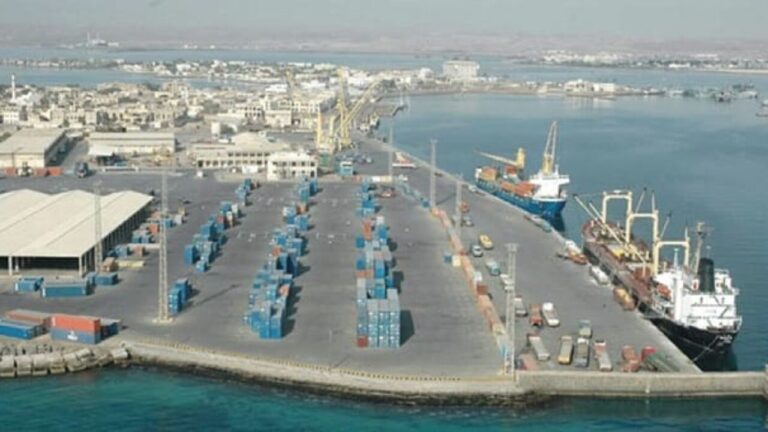
Eritrea’s Ministry of Information over the weekend dismissed claims by Ethiopia that officials in Asmara had turned down an initiative form its neighbour to redevelop the Red Sea port of Assab.
“Eritrea has never been opposed to, or impeded regional cooperation anchored on mutual and symmetric benefits,” the ministry said in a social media post.
The post followed the recent remark by Prime Minister Abiy Ahmed in parliament that Ethiopia’s quest for sea access is legal and historical. He went on to say that Eritrea had turned down a joint plan to redevelop Eritrea’s Assab port for Ethiopian access.
According to the prime minister, the manner in which Ethiopia lost its access to the sea was illegal and unjust,” He said the country will not wait another three decades to reclaim this vital access.
The Eritrean ministry of information described claims on the part of the government of Ethiopia as “unilateral.”
The ministry said Eritrea is interested in genuine cooperation that cannot rest on unilateral adventurism or revisionist claims. It requires mutual respect, legal clarity, shared commitment to stability and trading
Another key point is that Eritrea insinuated that the interest in the ports was for military purposes.
It said “Eritrea’s ports are not open, as merchandise, for foreign military or naval purposes, and that mediation by external powers is neither legally required nor politically appropriate.”
In his speech last week, Ahmed also disclosed that his government approached the major powers (China, Russia and USA) among other powers seeking negotiation over access to the Red Sea.
”Eritrea seems unaware of potential involvement of the great powers rather than interference, he said.
However, Eritrea stated that it will ”firmly reject any external interference or coercion that seeks to undermine its sovereignty or territorial integrity.”
Apart from raising legal arguments surrounding the circumstances under which Ethiopia lost Assab under the late Meles Zenawi, the Ethiopian government seems to be emphasising potential of security vulnerability from the Red Sea being only 60 kilometres away.
“Eritrea’s position on the use of the ports must be negotiated directly and bilaterally between Eritrea and its chosen partners in light of International laws,” the ministry said.
It also made claims that “Its national policy is rooted in the conviction that peace and progress anywhere in the Horn contribute to stability everywhere.” The principle of cooperation is enshrined in the National Charter, the ministry stated.
Eritrea has been facing accusations of proxy wars financing and supporting rebel groups in Ethiopia – particularly during the 20 years of no-peace-no-war relations.
More recently, the government of Ethiopia accused Eritrea of supporting the Debtretsion Gebremichael led TPLF faction and Fano forces.
The latter has denied the accusation.
MG/as/APA