



The Kavango Zambezi Transfrontier Conservation Area (KAZA TFCA) has launched a new initiative aimed at scaling regenerative, inclusive and competitive nature-based tourism by expanding support for micro, small and medium-sized tourism enterprises across southern Africa.
The Joint Action on Regenerative Nature-Based Tourism (R-NBT), launched during a regional stakeholder roundtable in Botswana’s Maun resort, will focus on improving access to finance, business development services, market opportunities and capacity-building for tourism enterprises, with particular emphasis on businesses led by women, young people and communities living near protected areas.
The initiative is intended to strengthen the contribution of tourism to local economies while ensuring that conservation efforts generate tangible benefits for communities that share landscapes with wildlife and protected areas.
Speaking at the launch, Botswana’s Ministry of Environment and Tourism Wynter Boipuso Mmolotsi – who was represented by the acting deputy permanent secretary in the ministry Charles Kabo Mojalemotho – said regenerative tourism would ensure that “tourism growth strengthens the nature and communities it depends on.”
Through this initiative, we want to build more resilient and competitive local enterprises while ensuring that the benefits of nature-based tourism reach communities and MSMEs across the KAZA landscape,” Mmolotsi said.
KAZA TFCA executive director Nyambe Nyambe said the initiative’s focus on women-led, youth-led and community-based businesses would strengthen livelihoods and economic resilience throughout the conservation area.
“By investing in these businesses, we are investing directly in the resilience and prosperity of the KAZA landscape,” he said.
The programme is being implemented in partnership with the European Union and the German government.
It forms part of broader support from Germany and the EU for the Southern African Development Community (SADC)’s tourism agenda, which seeks to promote sustainable tourism, regional integration and private-sector growth.
Speaking at the launch, German Embassy representative Simone Goertz said the initiative reflected a long-standing partnership that extends beyond tourism to include biodiversity conservation, climate resilience and sustainable economic development.
SADC’s Director for Food, Agriculture and Natural Resources, Fahari Marwa said the programme was designed to promote a tourism model that contributes to environmental restoration rather than simply exploiting natural resources.
The EU said growing demand from international travellers for environmentally and socially responsible tourism experiences creates opportunities for businesses that can demonstrate positive impacts on communities and ecosystems.
The launch comes as governments and development partners seek to increase the economic benefits generated by one of Africa’s most important conservation landscapes.
Spanning Angola, Botswana, Namibia, Zambia and Zimbabwe, KAZA TFCA is the world’s largest terrestrial transfrontier conservation area.
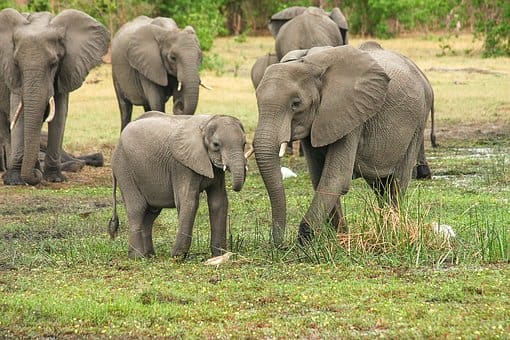
The landscape encompasses some of southern Africa’s most significant wildlife habitats, including key elephant migration routes, major river systems and a network of national parks, game reserves and community conservancies.
It was established to promote cross-border conservation while supporting sustainable economic activities such as tourism and community-based natural resource management.
JN/APA