





Libya will grant 600 academic scholarships to Chadian students over a three-year period, primarily in medicine and engineering, as part of efforts to strengthen higher education cooperation between the two nations.
Libyan authorities have agreed to offer 200 scholarships annually to Chadian students over three years, totaling 600 placements, according to an announcement by a delegation from the Chad–Libya Friendship Group at the Chadian Senate.
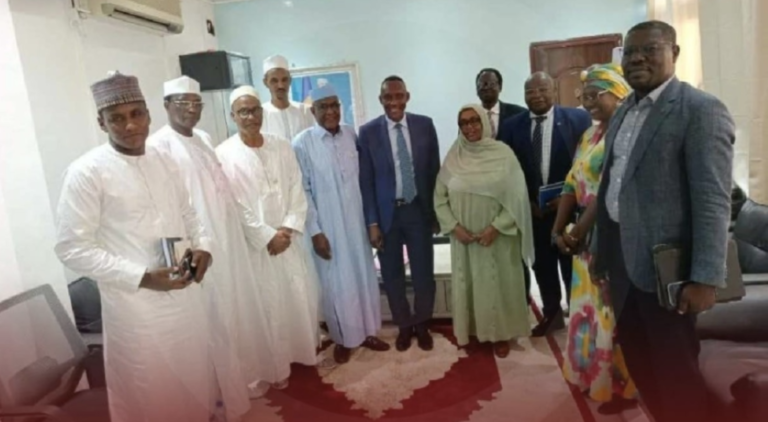
The initiative was presented during a July 6 meeting between Chad’s Minister of Higher Education, Scientific Research, and Professional Training, Sitack Yombatina, and senators reporting back from a recent parliamentary mission to Libya. The scholarships will focus primarily on medicine and engineering—fields identified as critical to addressing the Chadian labour market’s demand for specialised expertise.
According to the Chadian Press and Publishing Agency, the delegation was led by Zakaria Mohamed Saleh, president of the Chad–Libya Friendship Group in the Senate. The five-day visit to Libya took place at the invitation of the High Council of State of Libya, with the approval of Chadian Senate President Haroun Kabadi.
During the mission, Chadian lawmakers met with several Libyan officials, including Prime Minister Abdulhamid Dbeibah, as well as ministers overseeing higher education and international cooperation. Discussions centered on expanding academic exchanges, supporting faculty and researchers, increasing scholarship allocations, and developing joint scientific research initiatives.
Both sides also explored strengthening ties between King Fayçal University in Chad and the Libyan Academy. They plan to review bilateral higher education agreements to streamline administrative procedures for students and researchers. The potential establishment of a new Chadian university with Libyan technical assistance was also discussed.
Sitack Yombatina welcomed the initiative, describing it as a “major opportunity” for human capital development in Chad. The minister affirmed his department’s commitment to establishing a lasting legal framework to ensure the program’s sustainability and to deepen scientific and academic cooperation with Libya.
MK/AK/Sf/lb/as/APA