





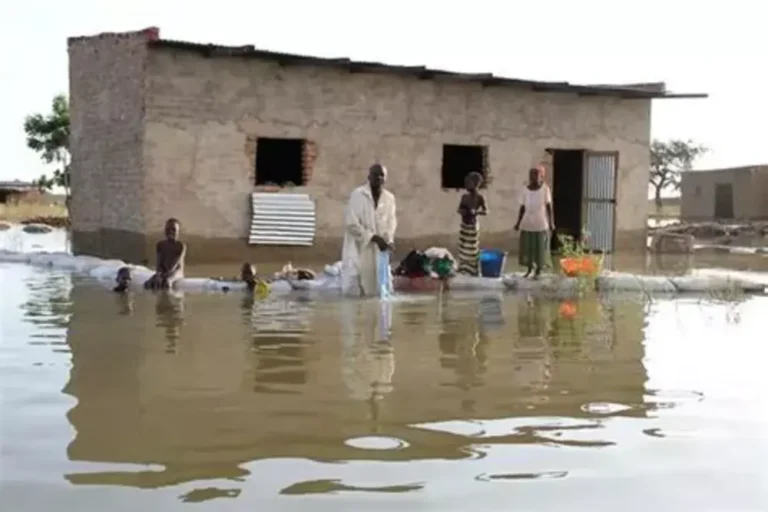
The Malian government has approved a 4.071-billion CFA-franc prevention plan to safeguard the nation ahead of the 2026 rainy season, responding to the devastating impact of previous floods.
Finalized by the inter-ministerial committee for crises and disasters in Bamako, the strategy focuses on mitigating risks in vulnerable urban neighborhoods and ensuring the functionality of drainage networks. The plan, supervised by the Ministry of Security and Civil Protection, is built upon four strategic pillars: institutional coordination, proactive measures, emergency management, and the protection of the education system. This comprehensive approach includes public awareness campaigns, the pre-positioning of emergency kits, and specific protocols to maintain school continuity during heavy rainfall.
Urban sanitation serves as the central focus of the physical interventions, with authorities already having cleared over 40 kilometers of primary drainage ditches in the capital. The 2026 agenda targets the dredging of an additional 241 kilometers of gutters and 85 kilometers of drainage channels to optimize stormwater runoff and prevent overflows. These efforts build upon significant investments made in 2025, which were bolstered by substantial World Bank support to strengthen urban sanitation infrastructure.
This proactive stance follows the catastrophic 2024 floods, which claimed 75 lives and impacted nearly 250,000 people nationwide. To ensure the plan is executed effectively before the rains begin in earnest, the Prime Minister has announced that the crisis committee will now meet twice monthly. By prioritizing these infrastructure and coordination efforts, the government aims to avoid a recurrence of past disasters and protect both the population and the nation’s economic stability.
MD/te/fss/abj/APA